
Earth

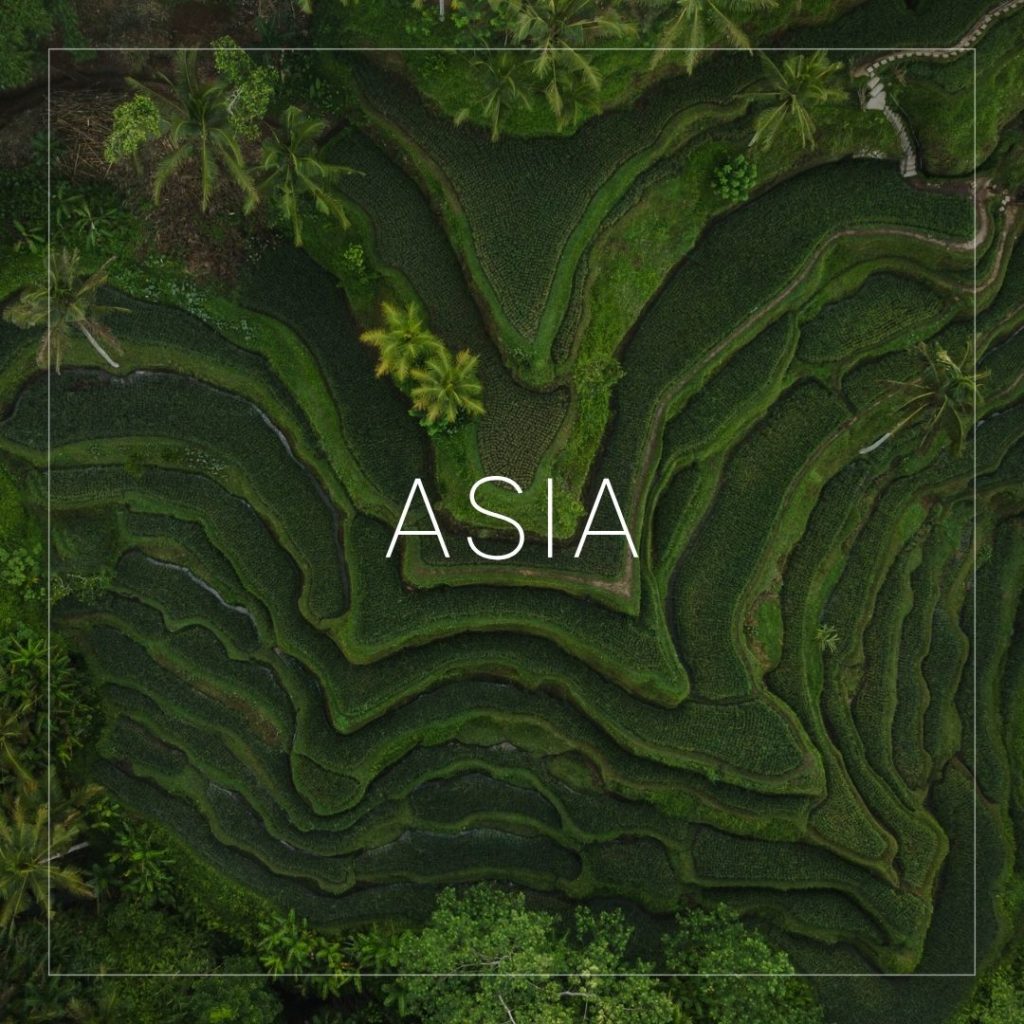
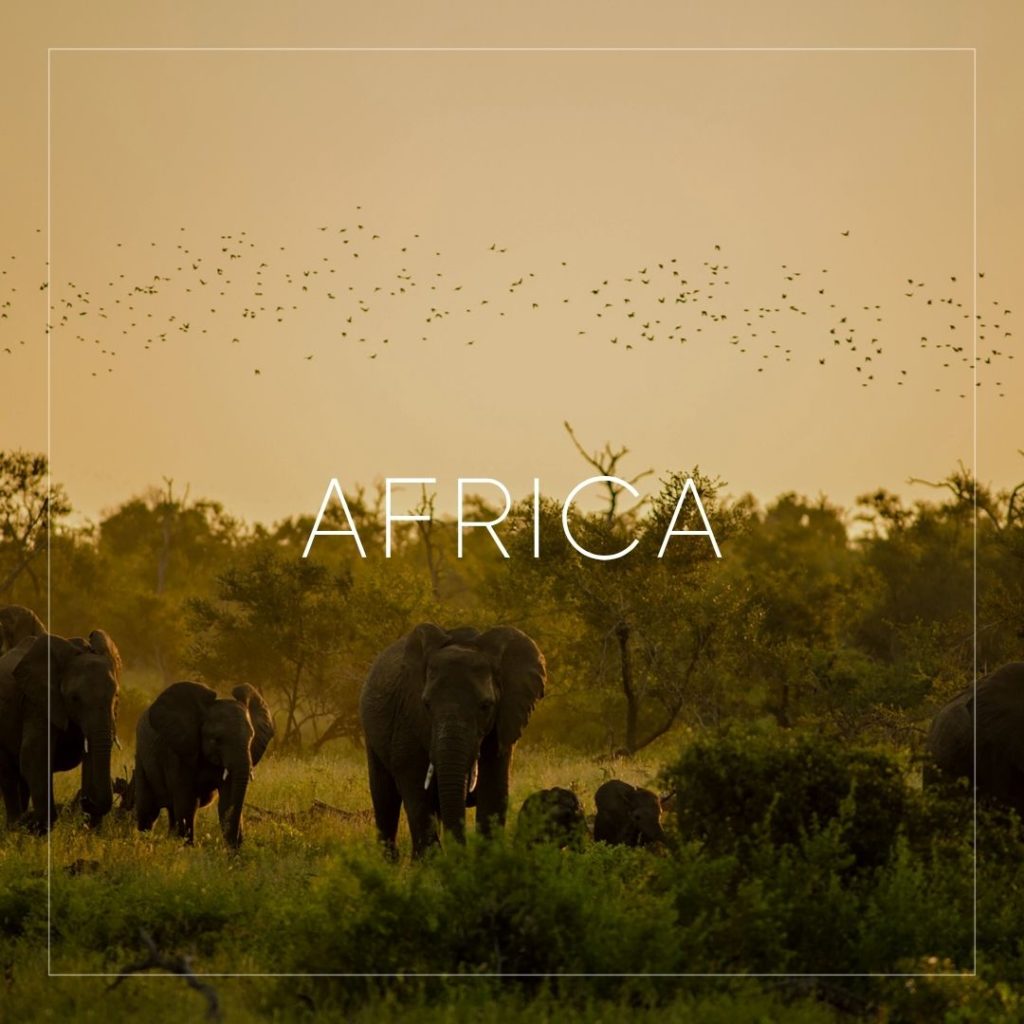
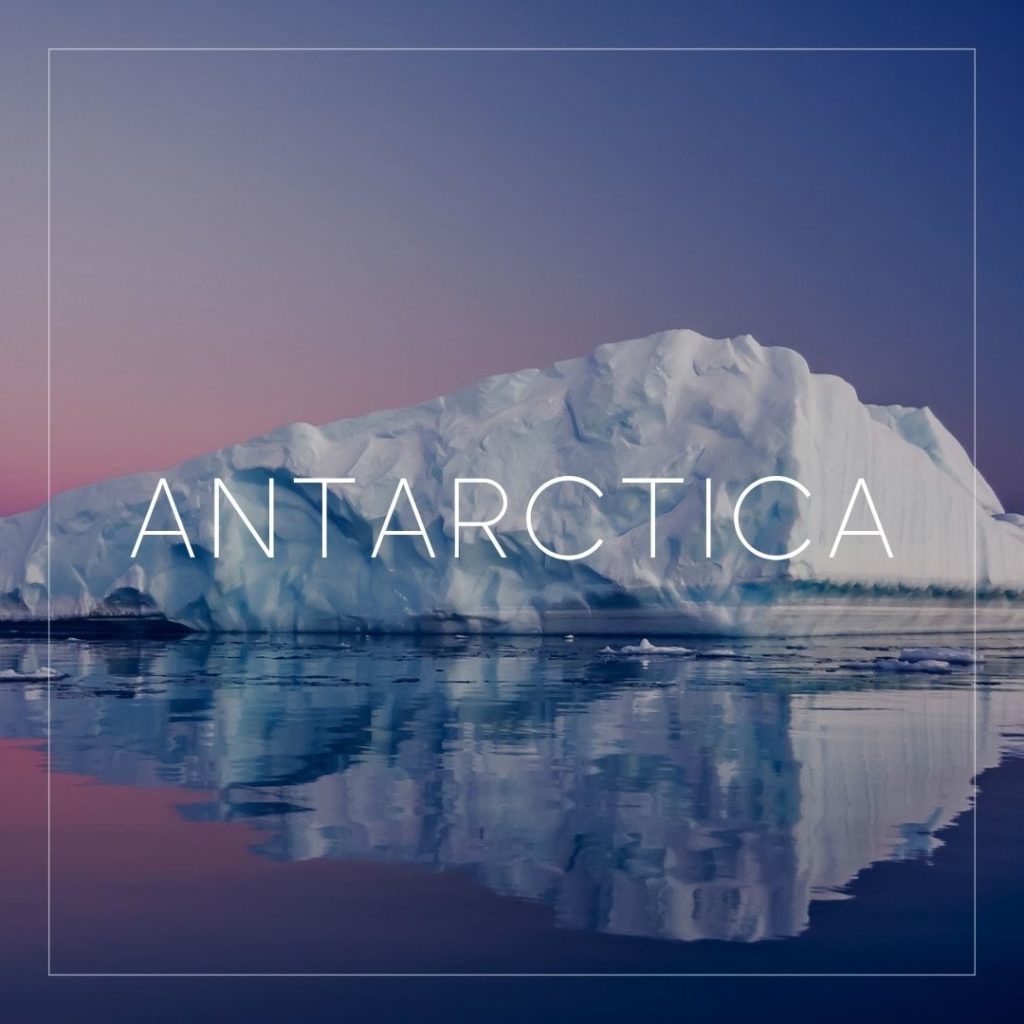
Continents

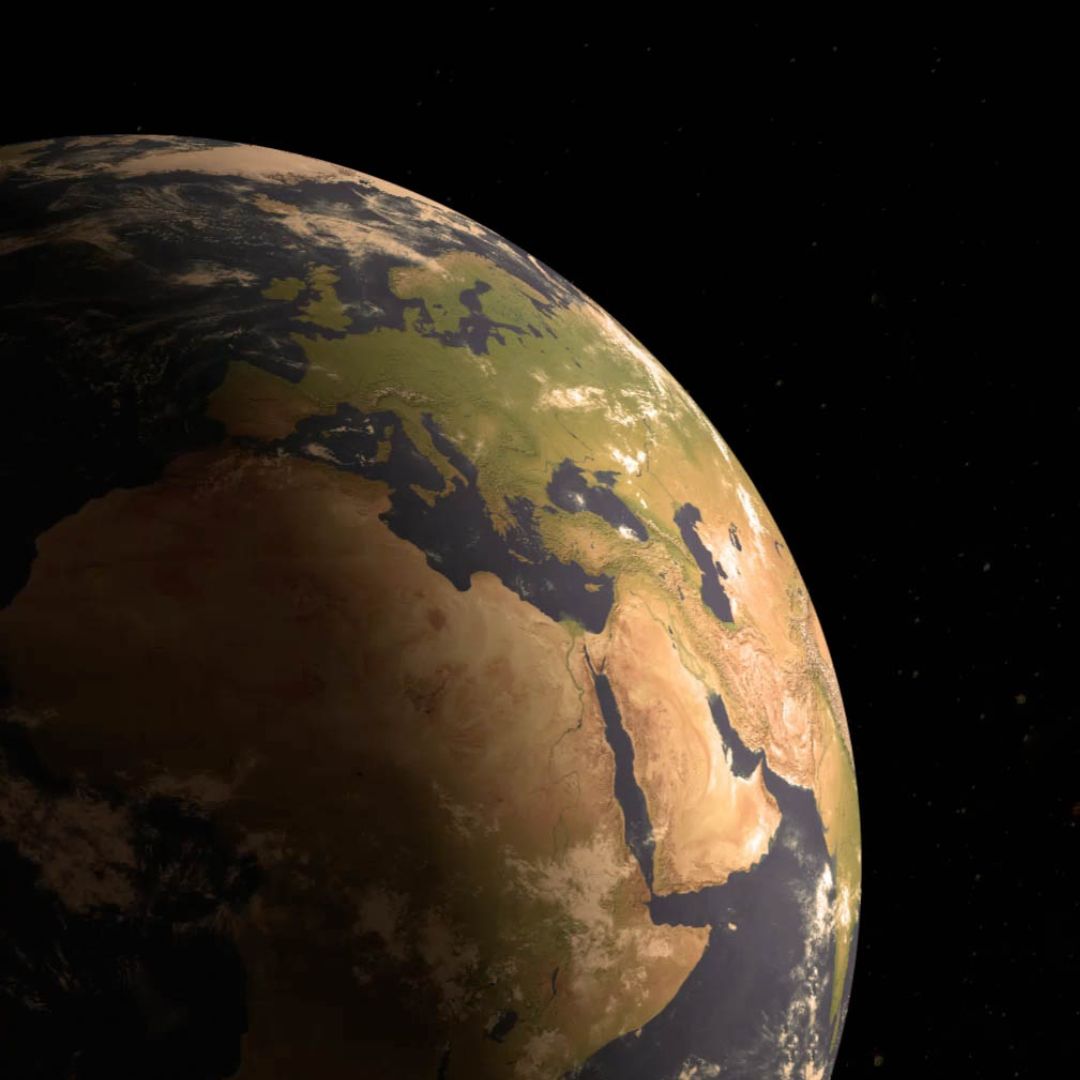
The Earth - Our living jewel

Around 4.6 billion years ago

Our planet was formed from a cloud of cosmic gas and dust resulting from the explosion of a supernova.
The internal structure of the Earth

Crust: 5 to 70 km Solid rock (granite, basalt)

Solid The outermost layer, where we live.

Mantle: ~2,900 km Solid but ductile rock (peridotite) Solid but slowly flowing (plastic)

Responsible for tectonic movements

Outer core: ~2,200 km Molten iron and nickel Liquid Generates the Earth’s magnetic field.

Inner core: ~1,200 km Solid Iron and nickel Solid Very hot, very dense

Biosphere and biomes

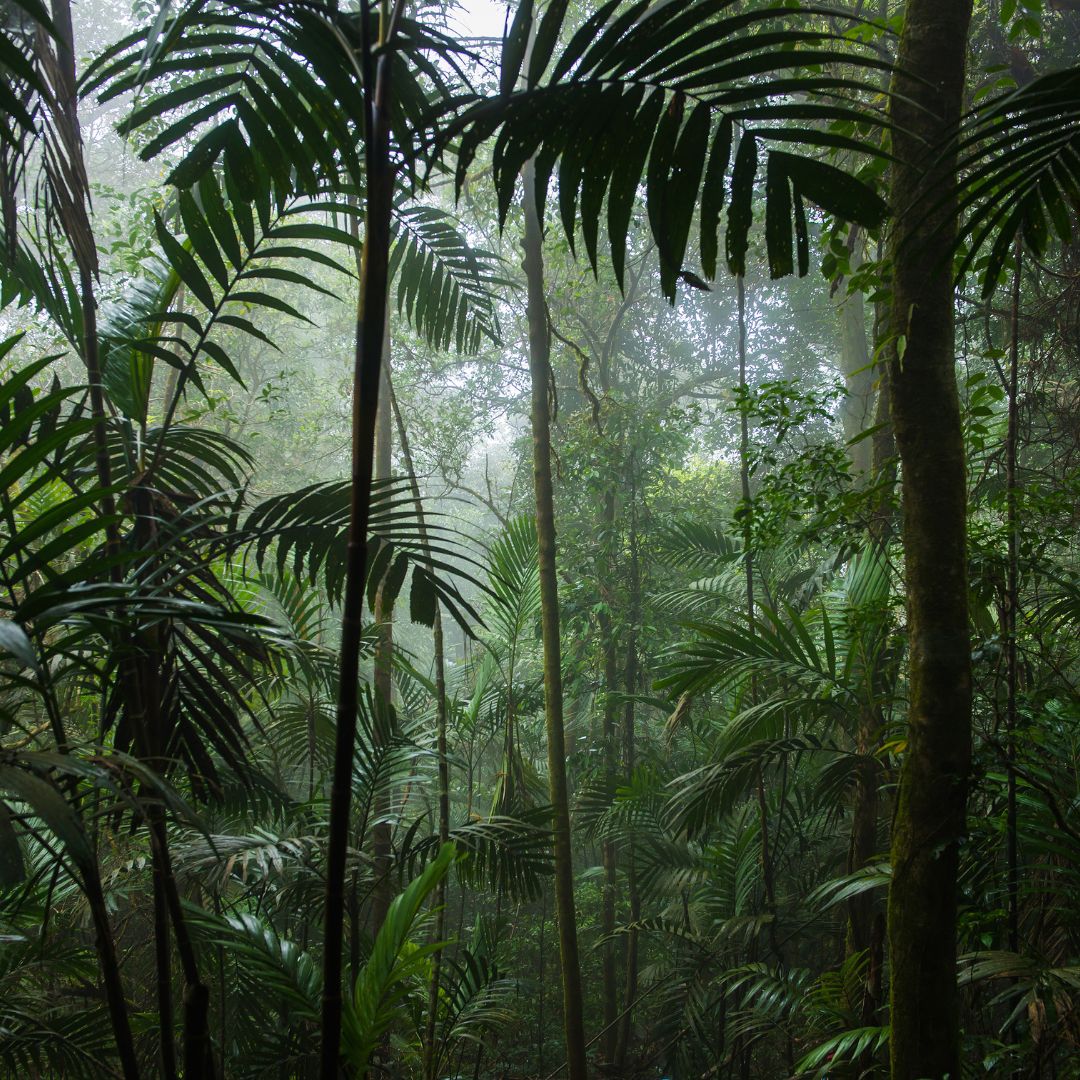
Tropical rainforest

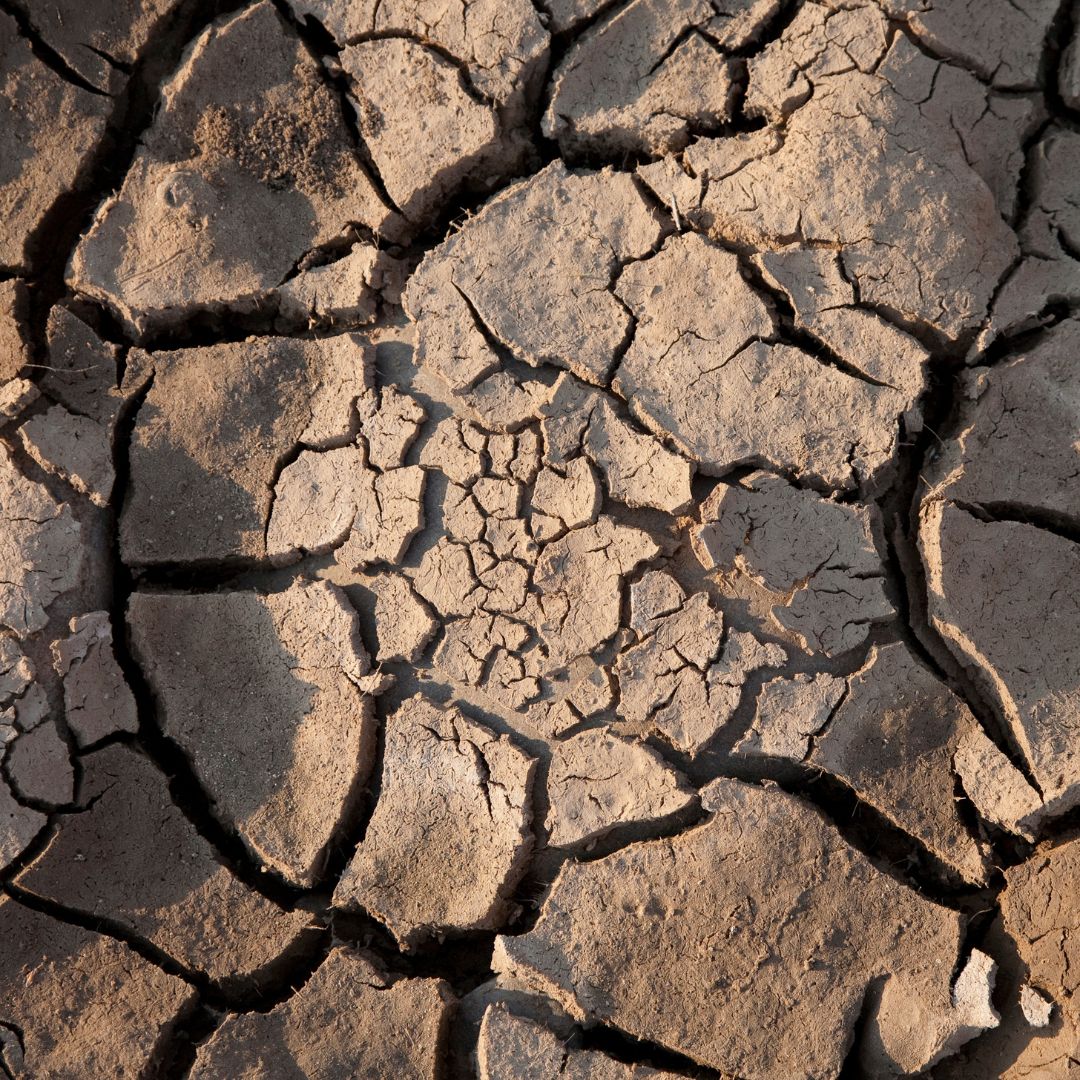
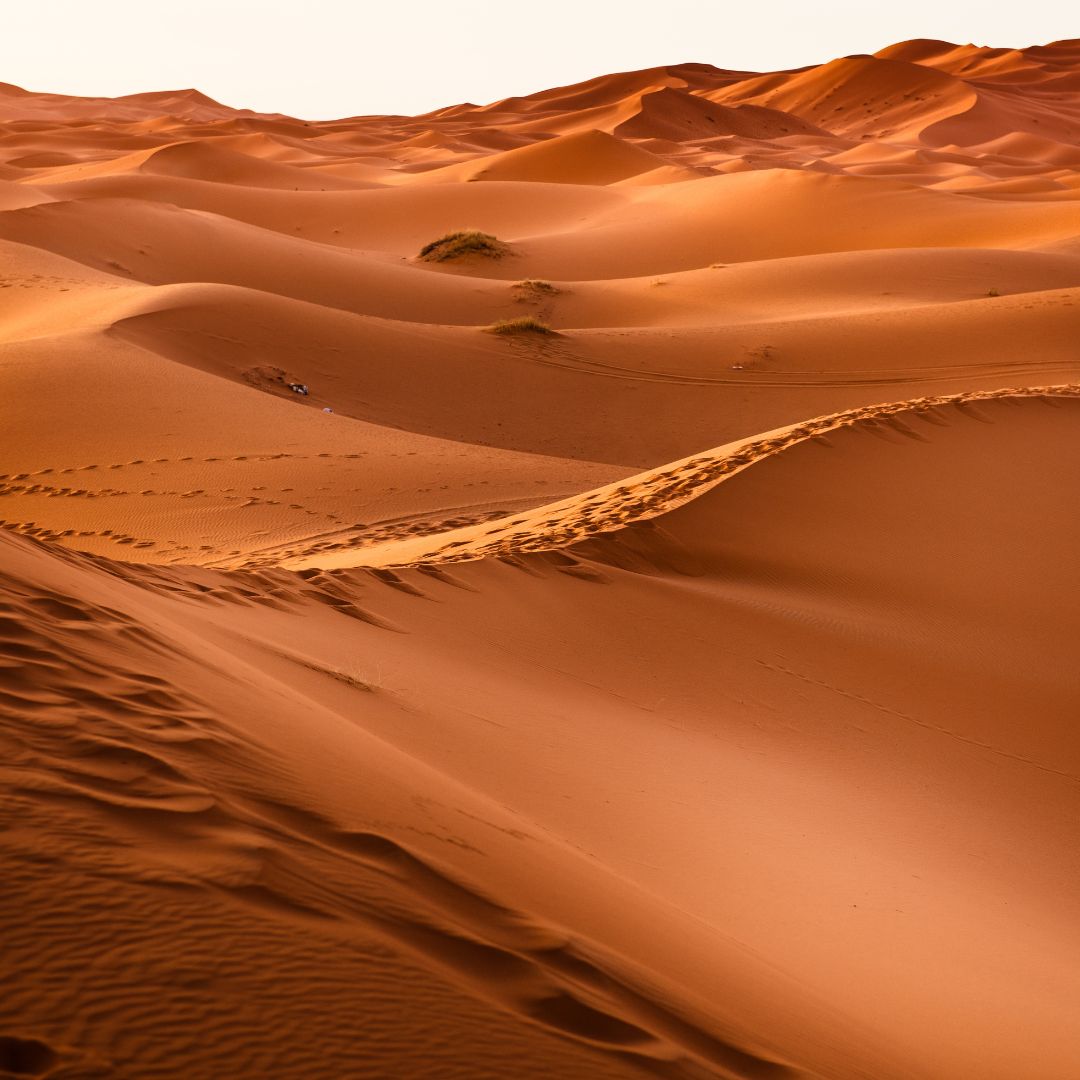
Deserts

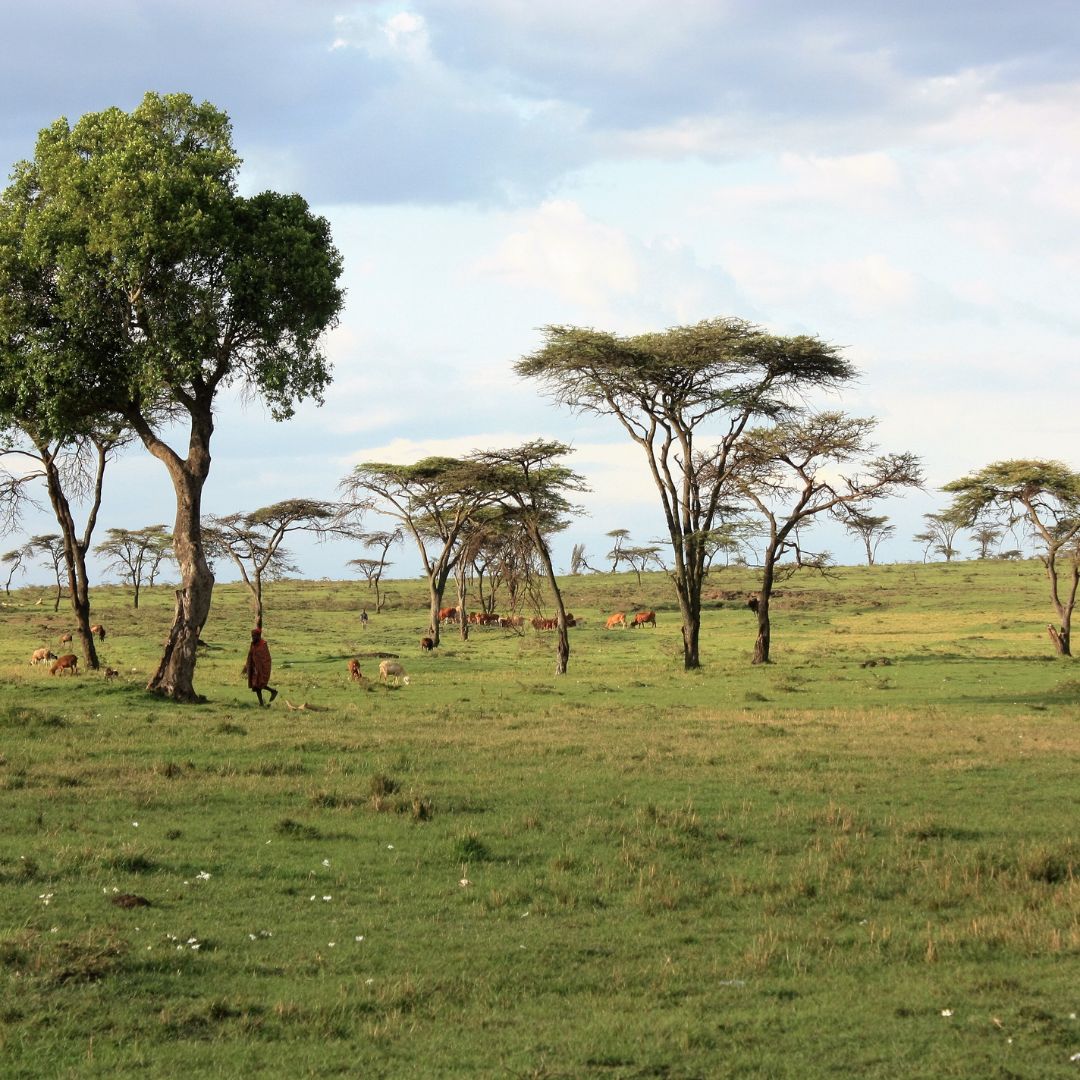
Savannah

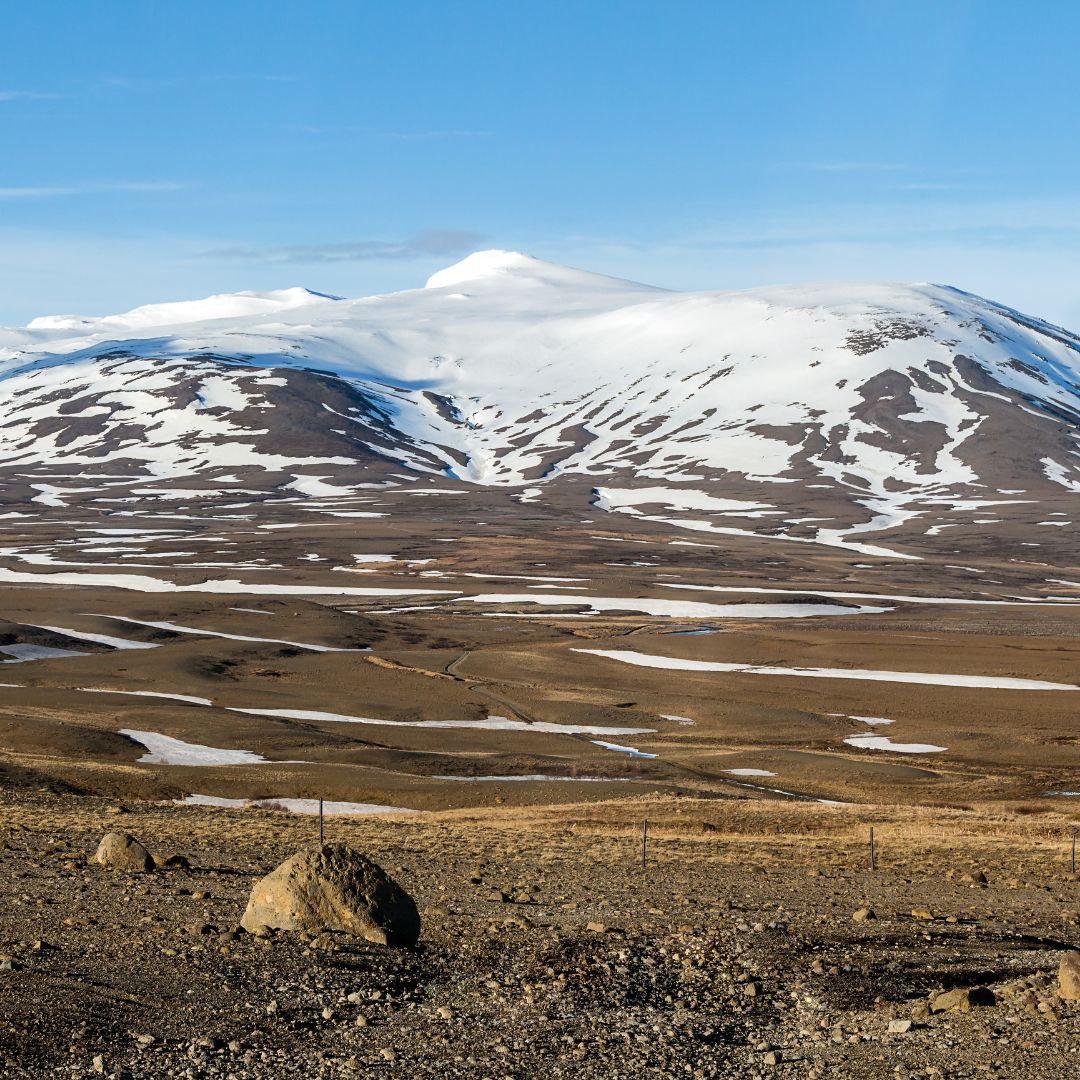
Tundras

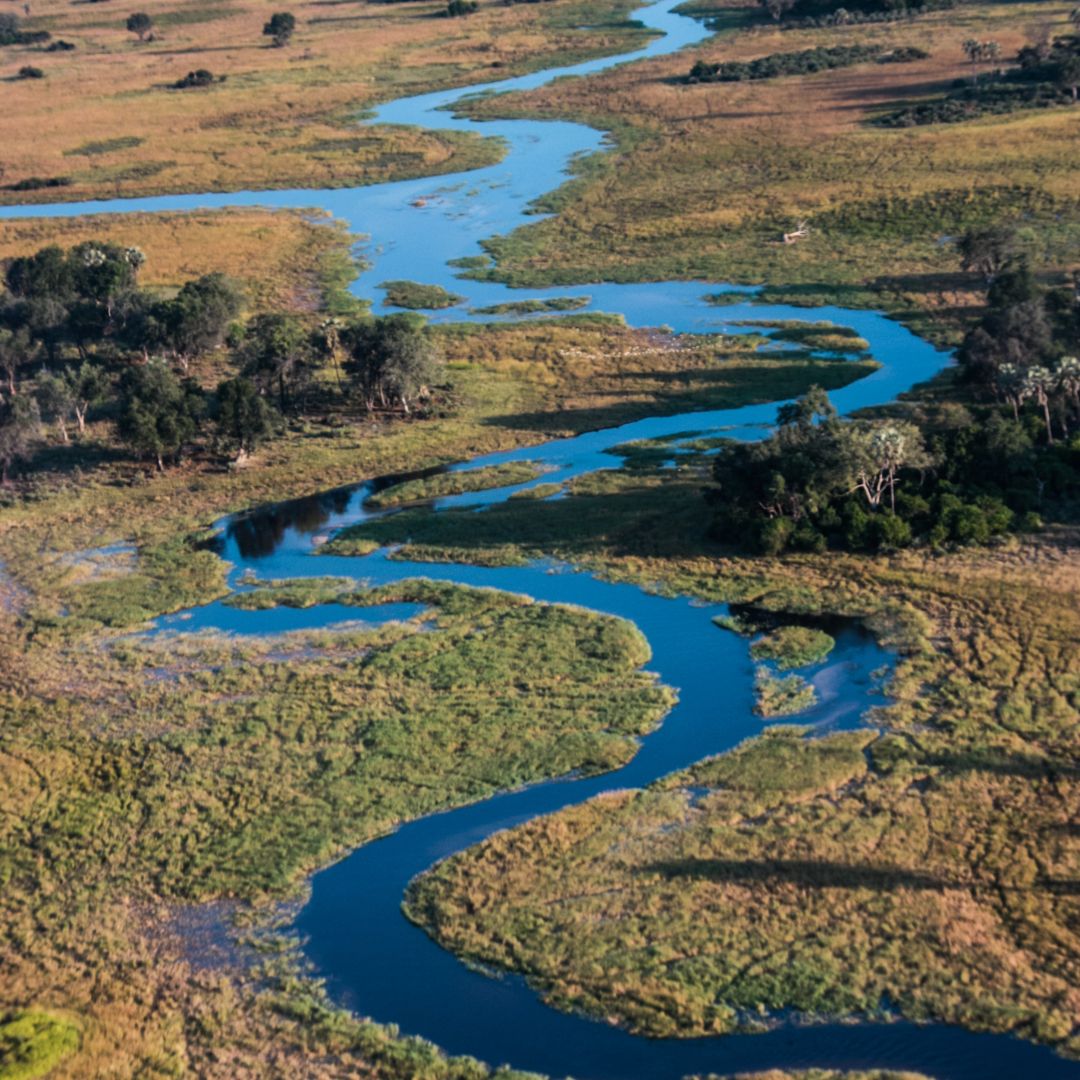
Humid areas

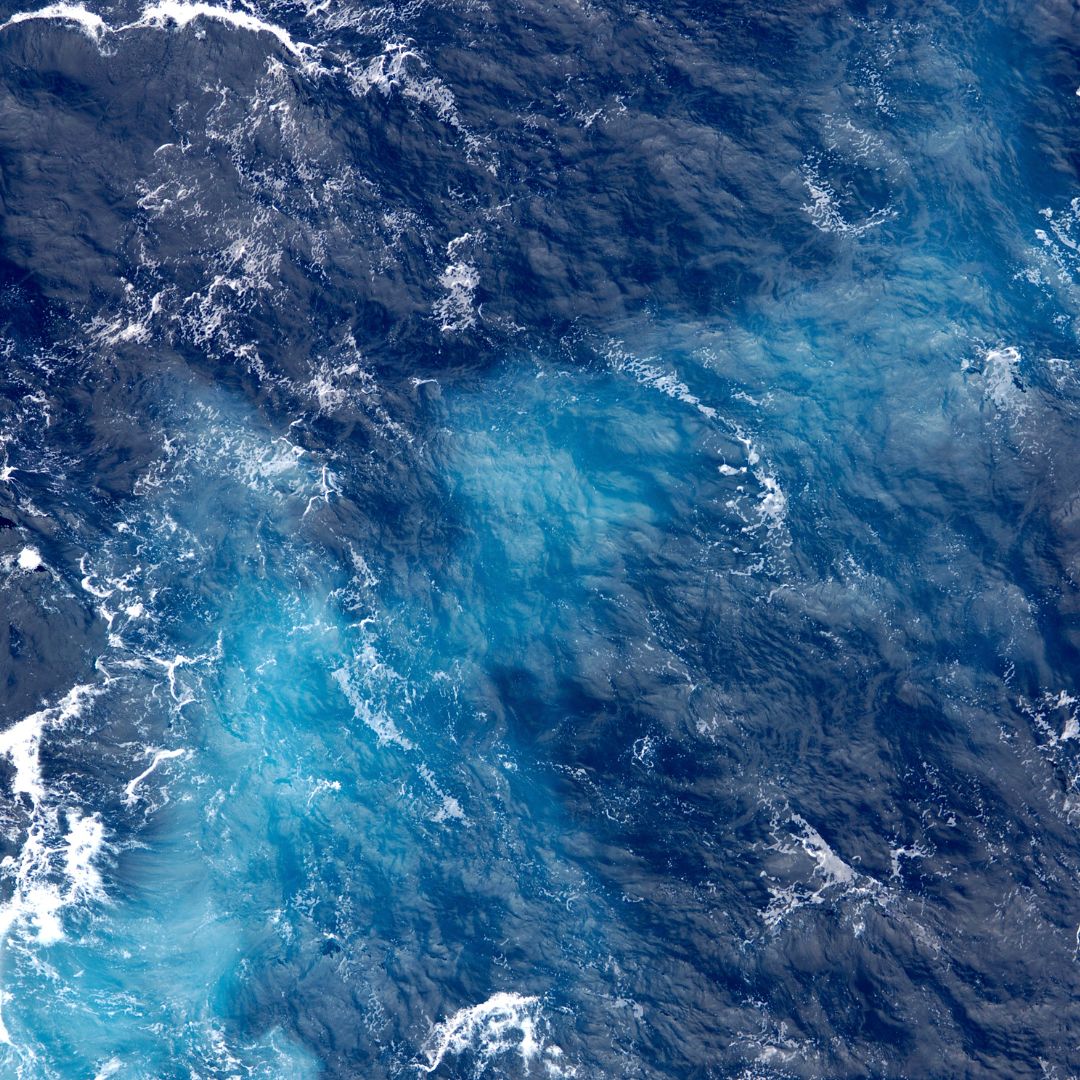
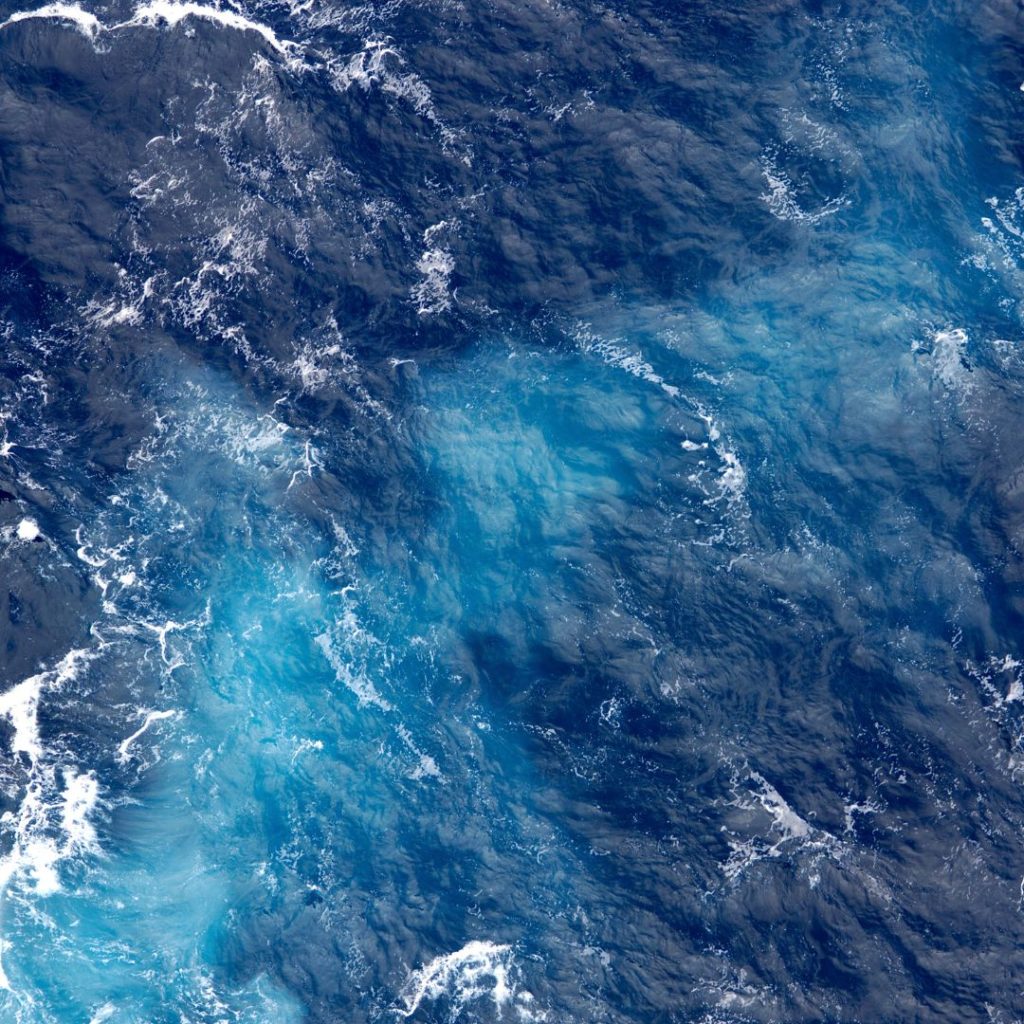
Oceans

Tectonics and geological phenomena

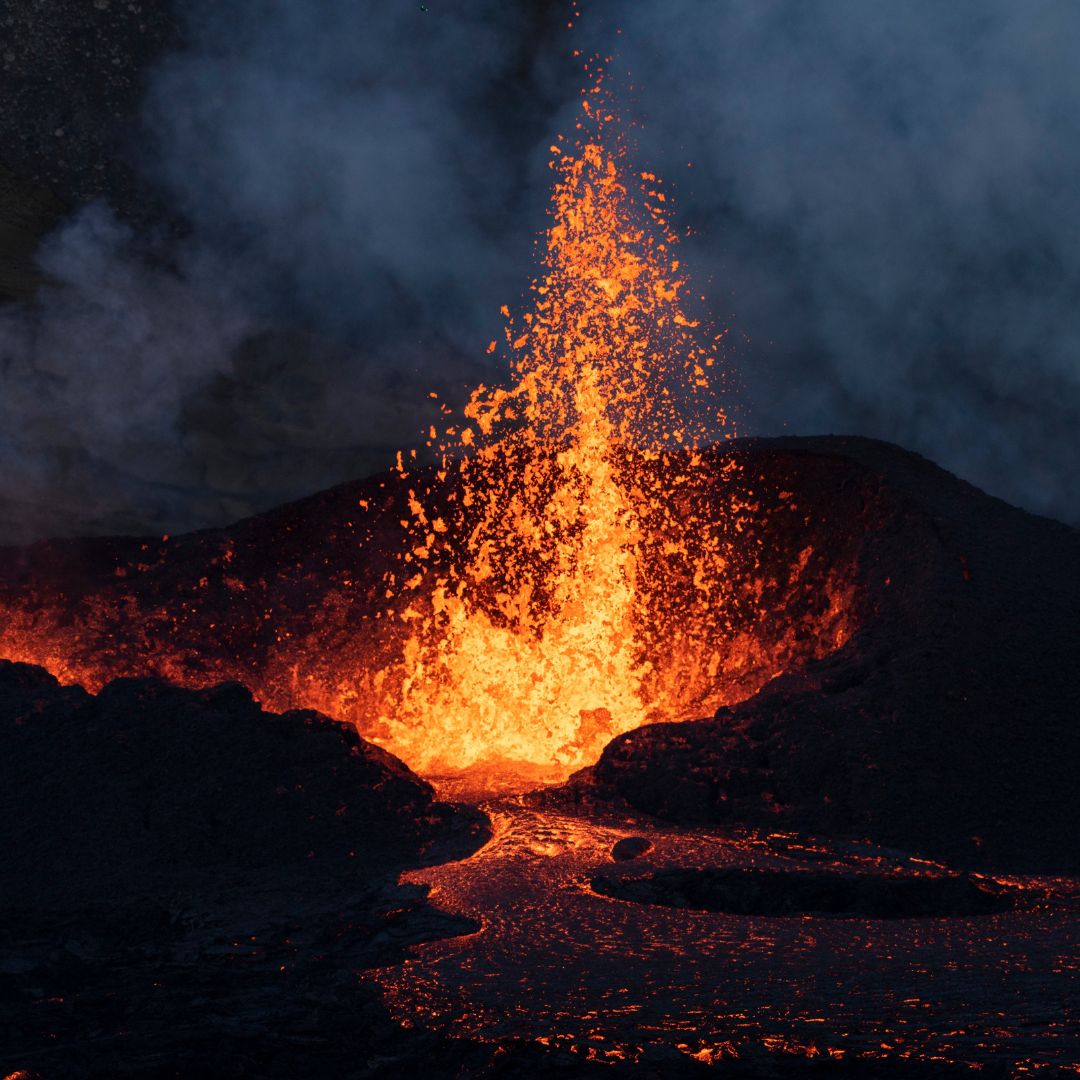
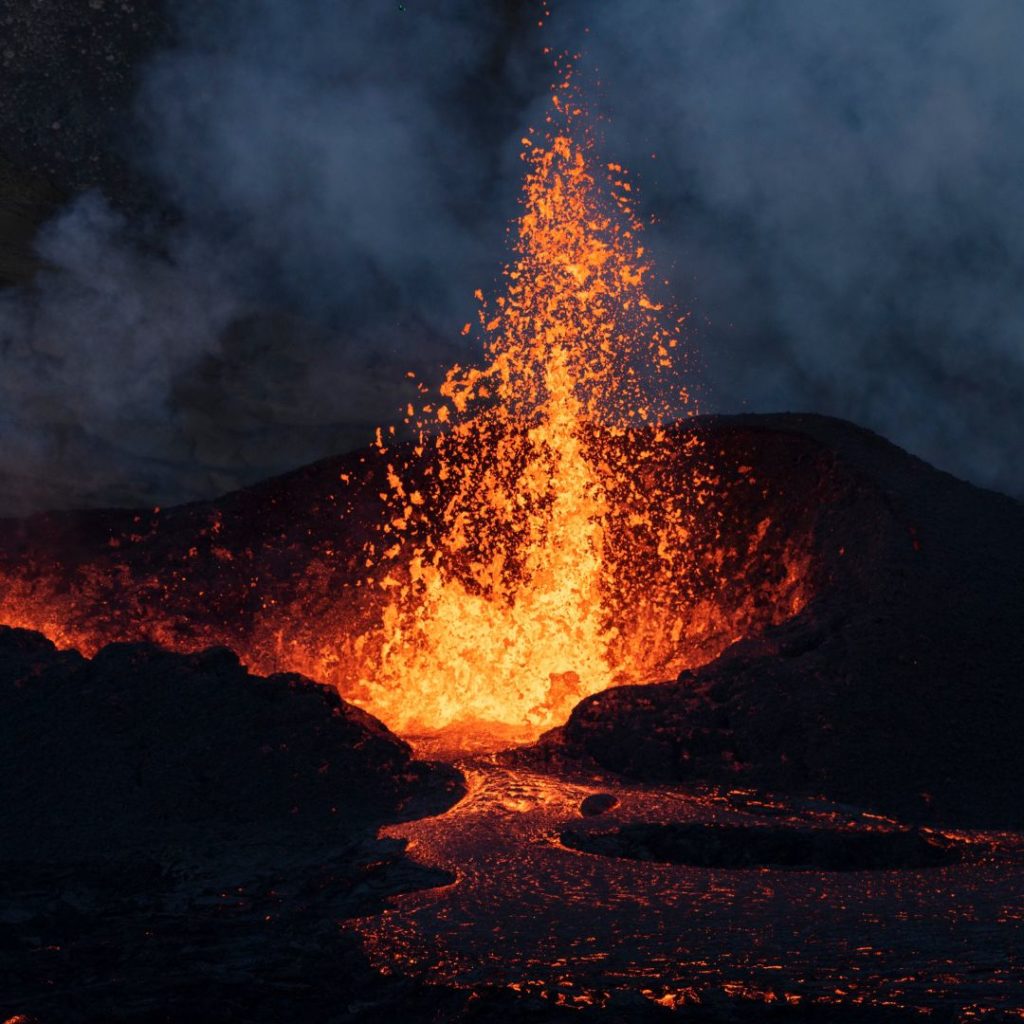
Volcanism

Earthquakes

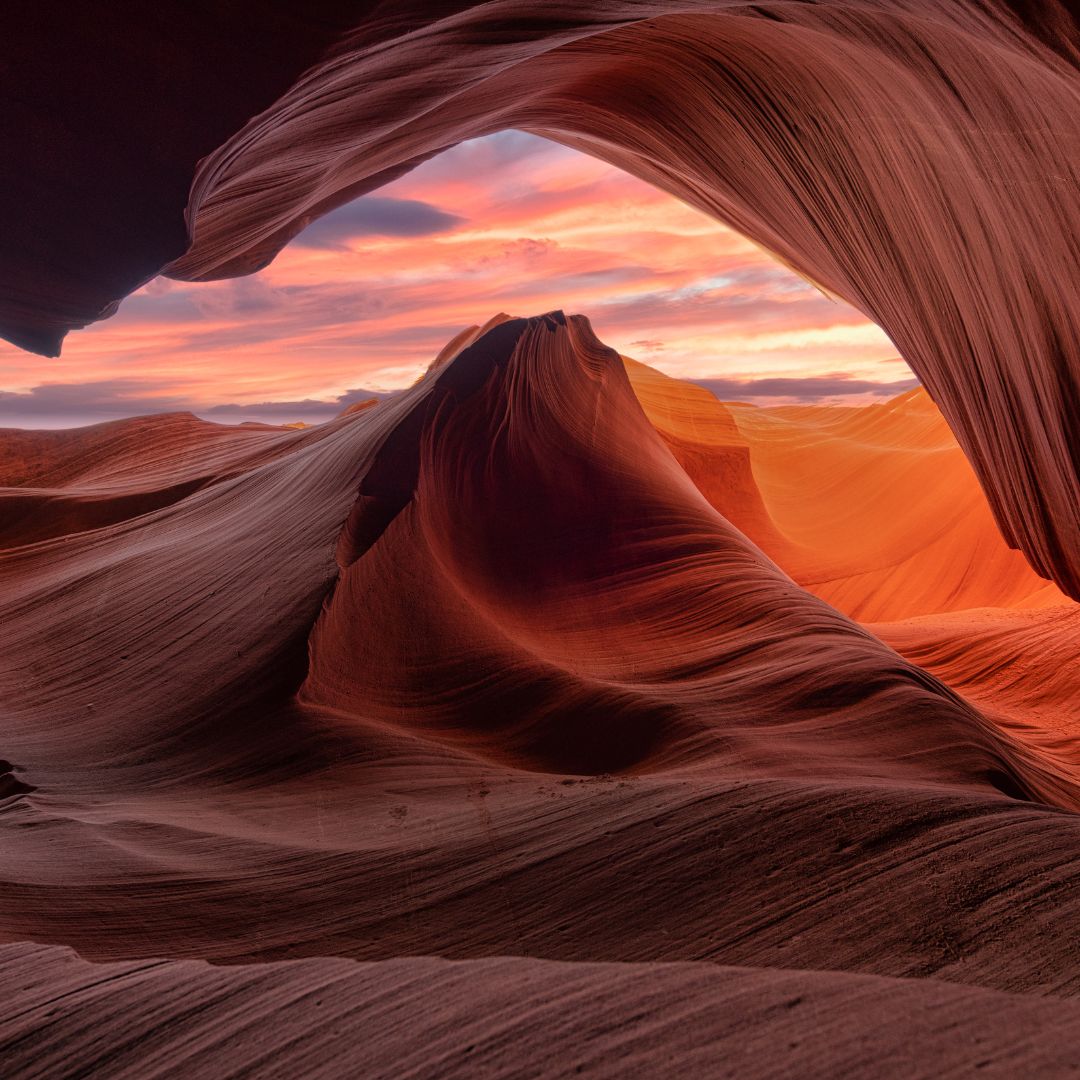
Erosion and sedimentation

Key figures

  • Earth is the only known planet with liquid water.

  • Rotation: 24 hours → day/night

  • Revolution: 365.25 days → year

  • 71% of the surface is covered with water, 29% with land

The surface of the Earth

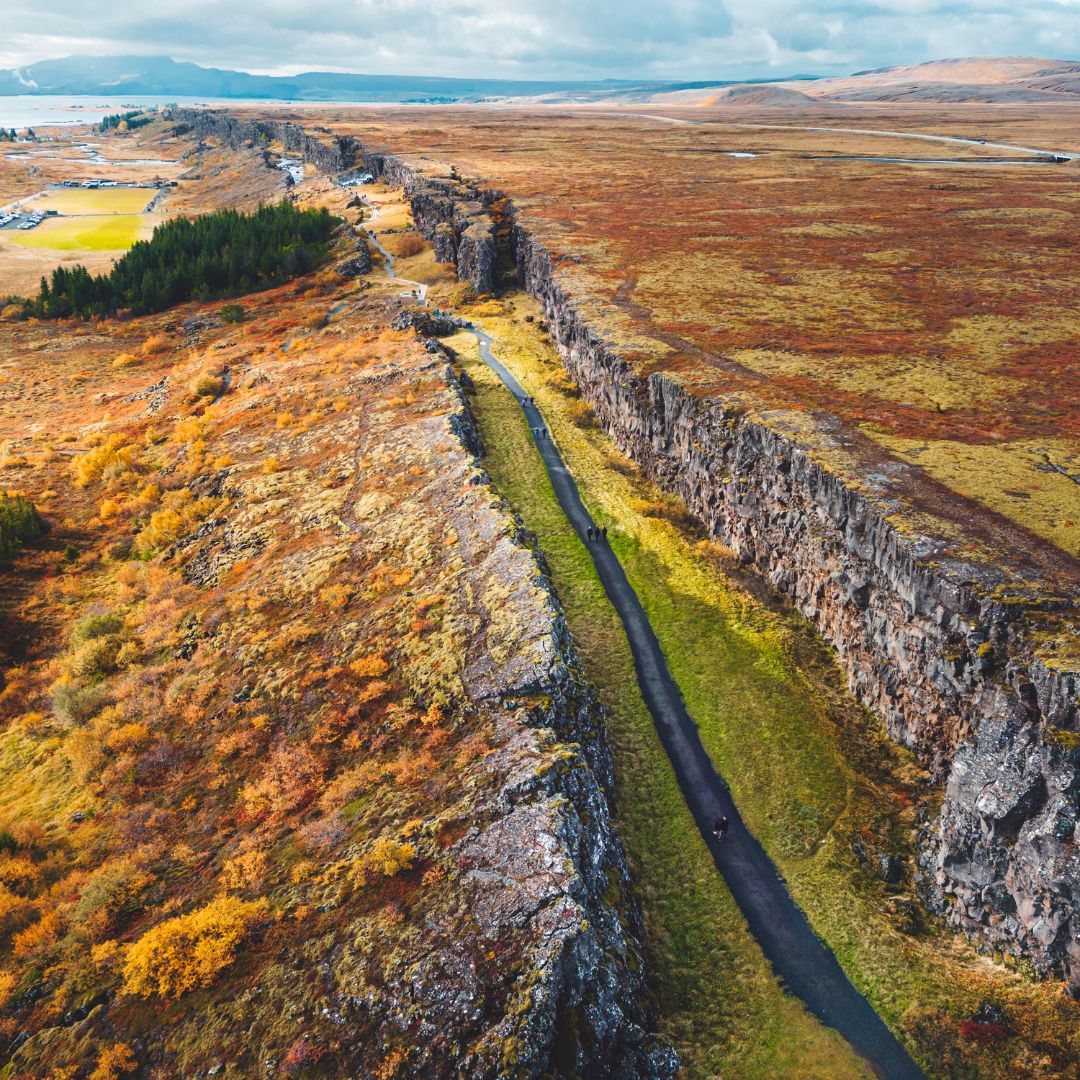
Reliefs

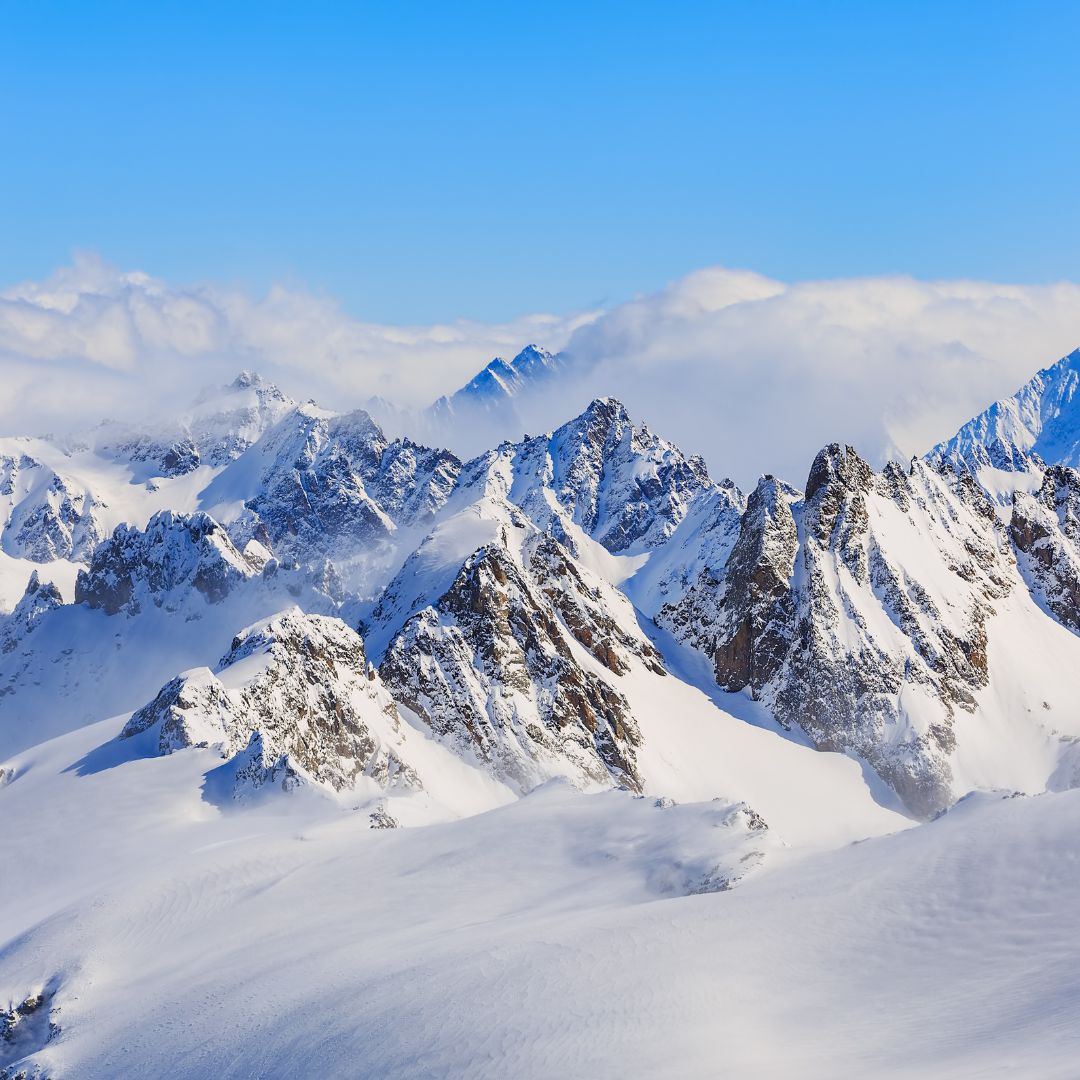
Mountains, plains, plateaus, valleys
Climate zones

polar, temperate, tropical, desert

Continents

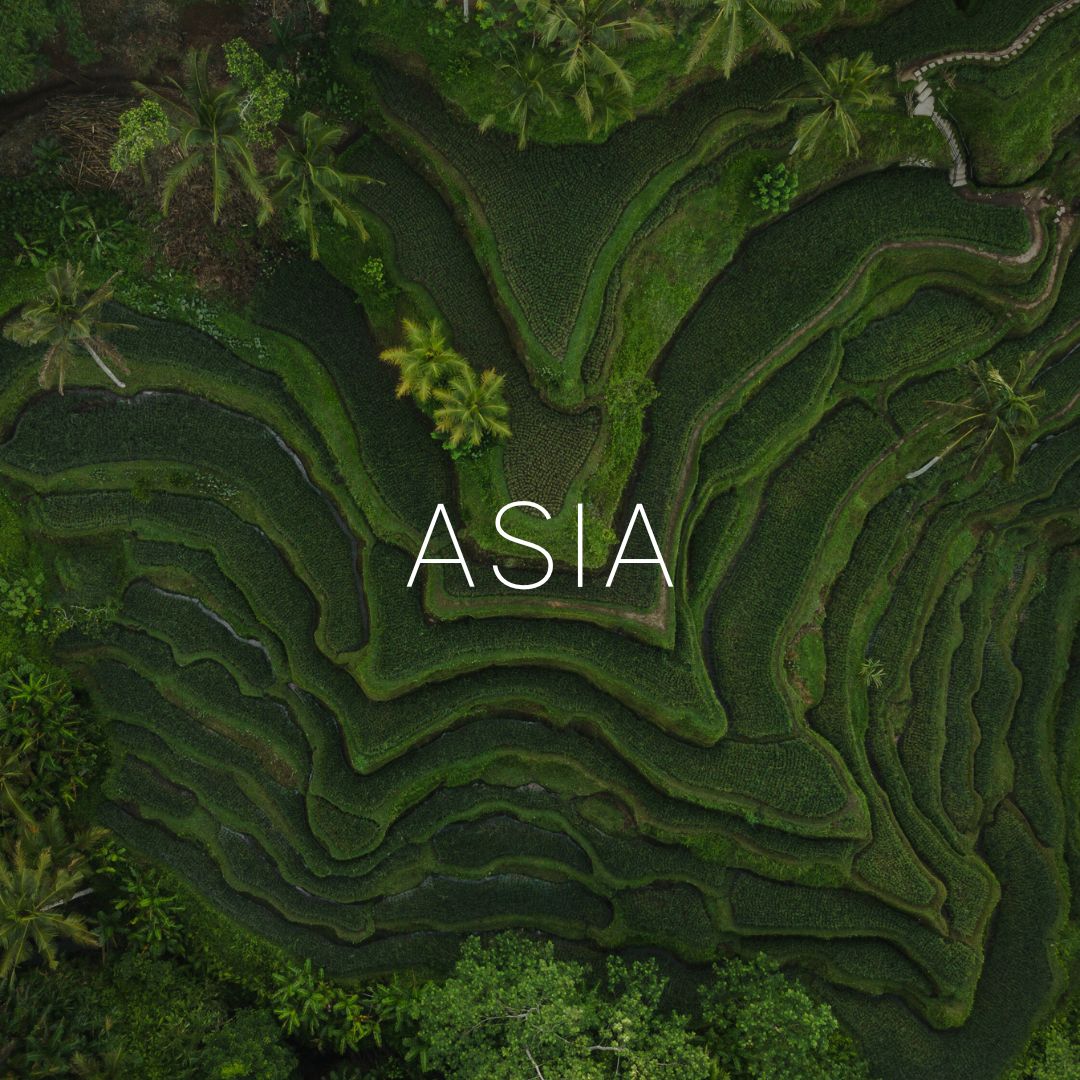
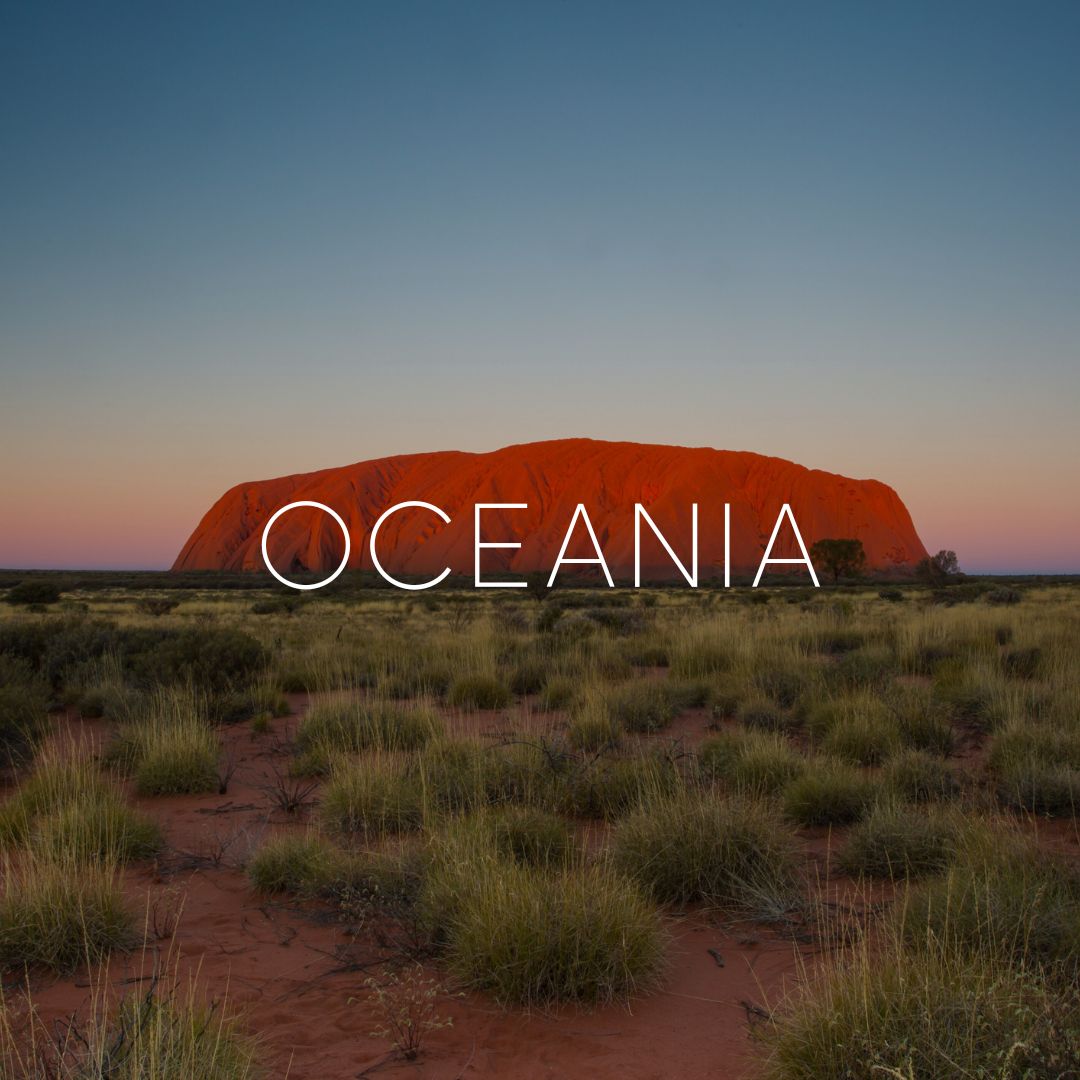
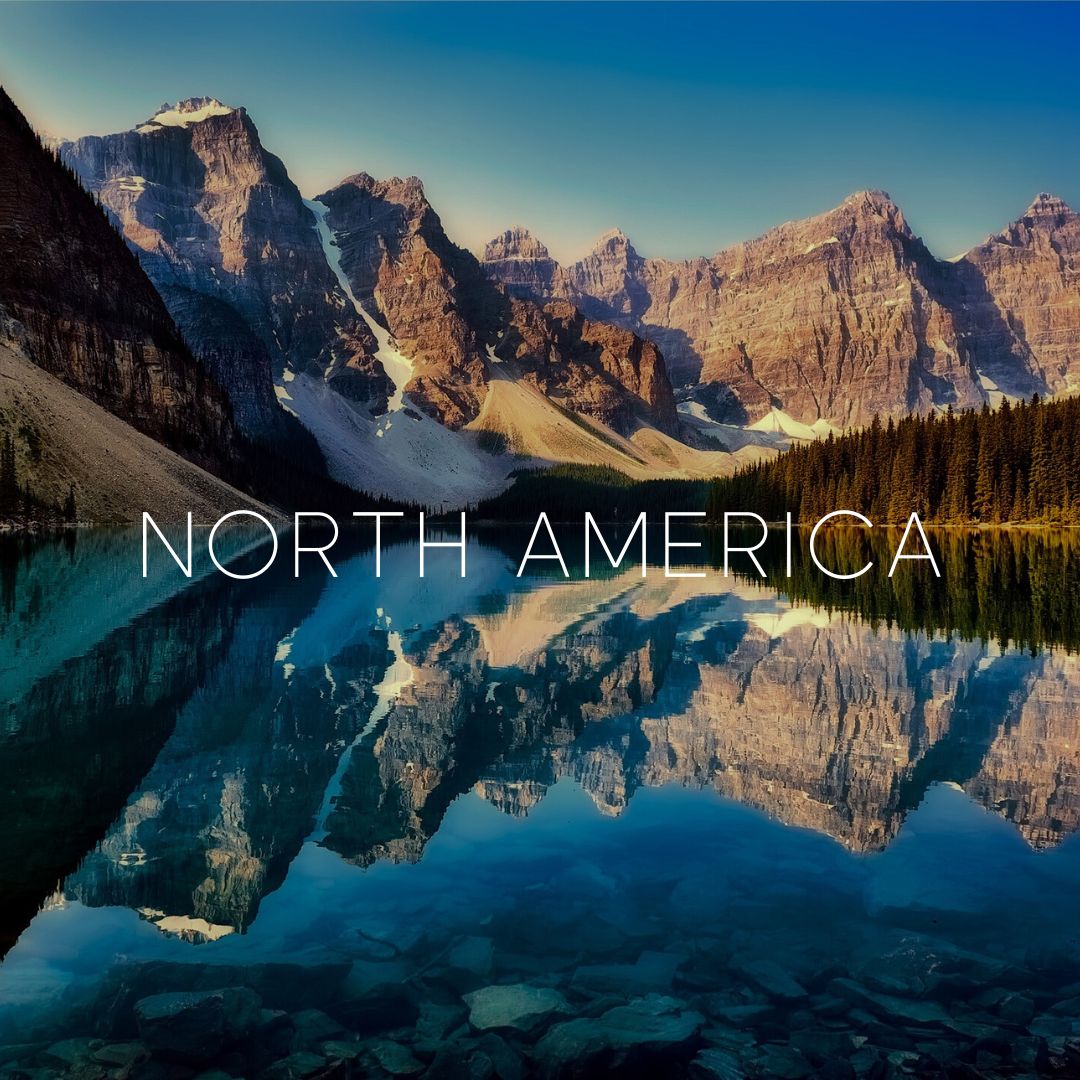
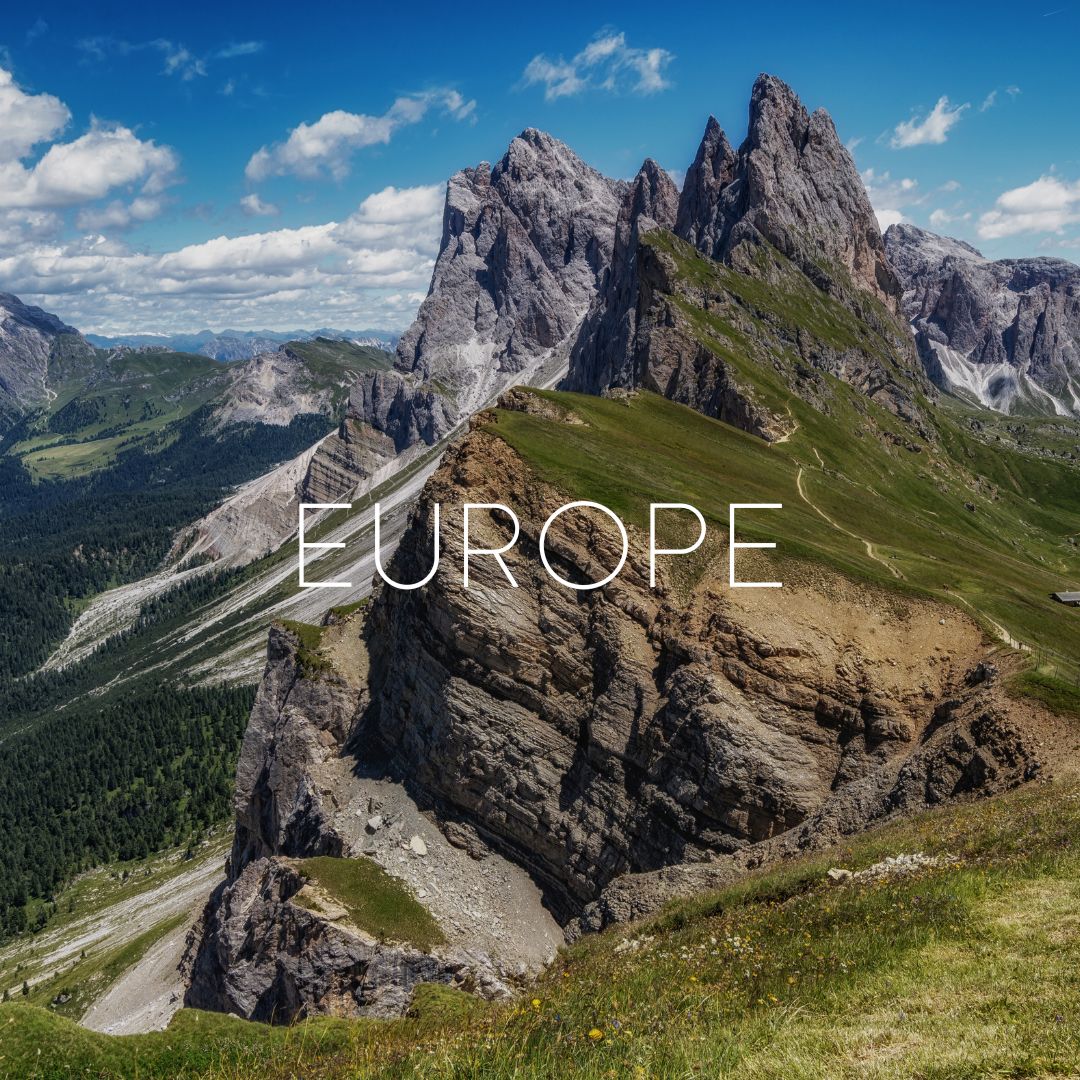
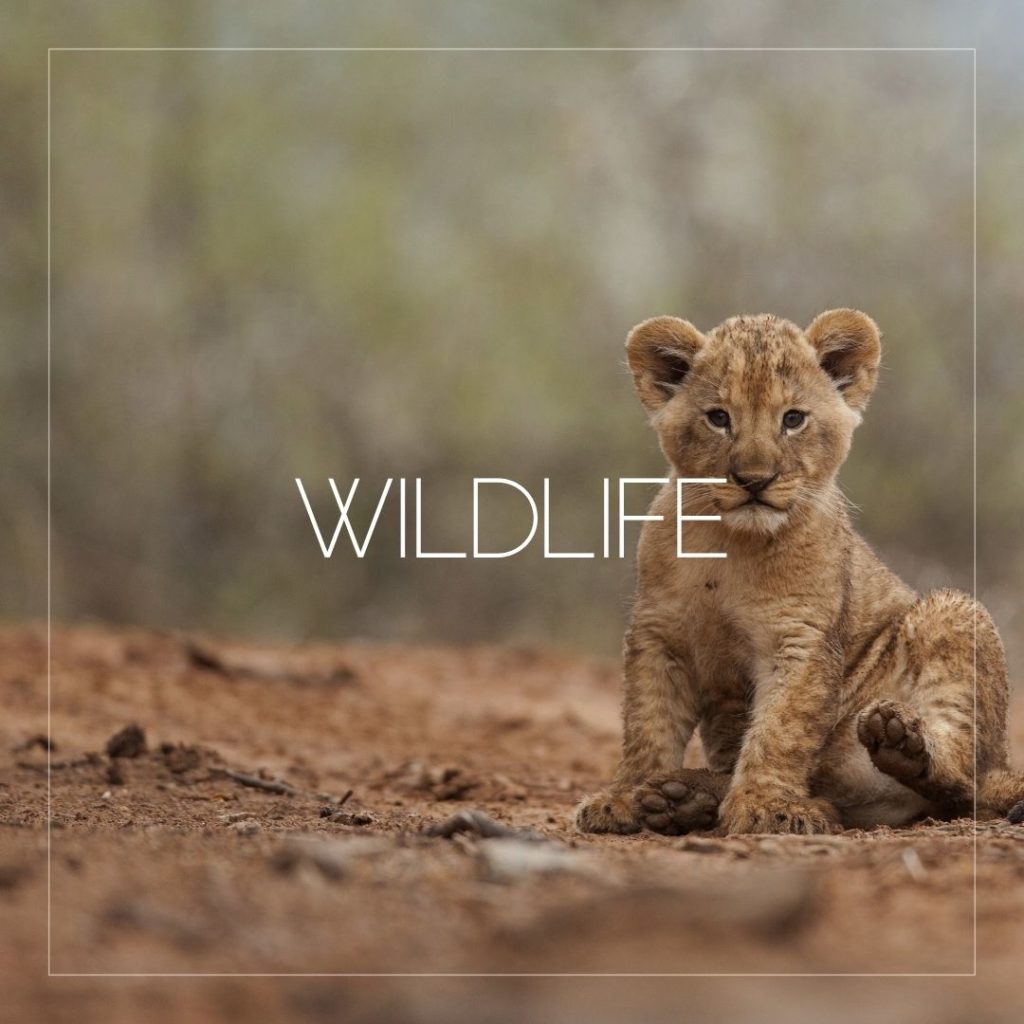
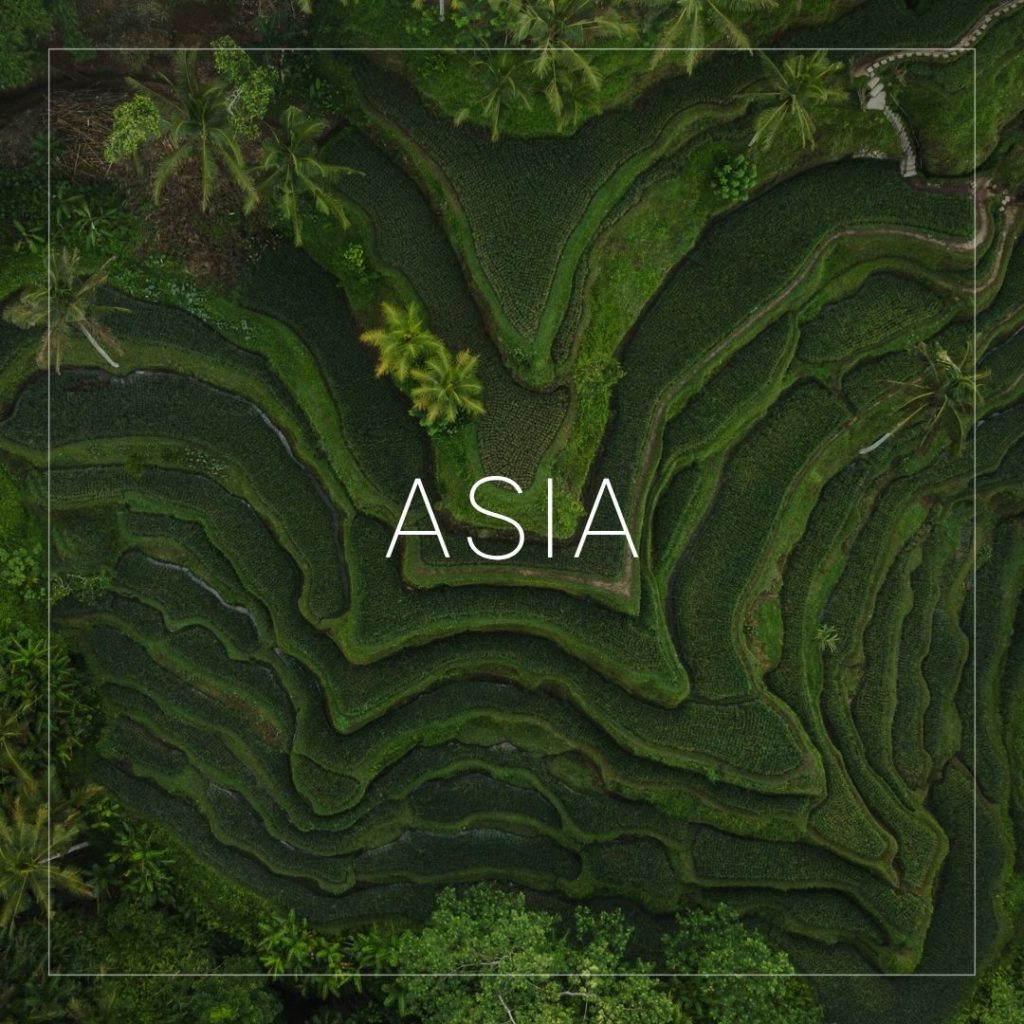
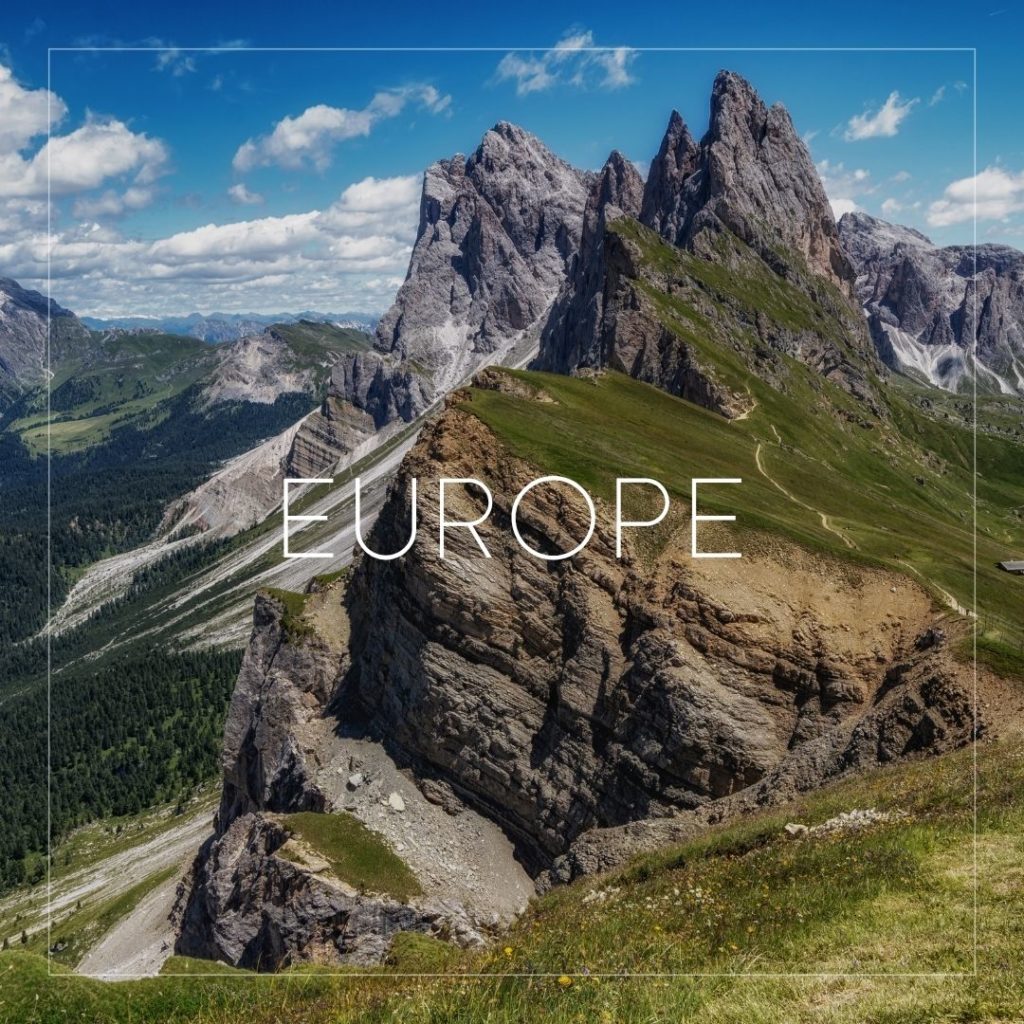
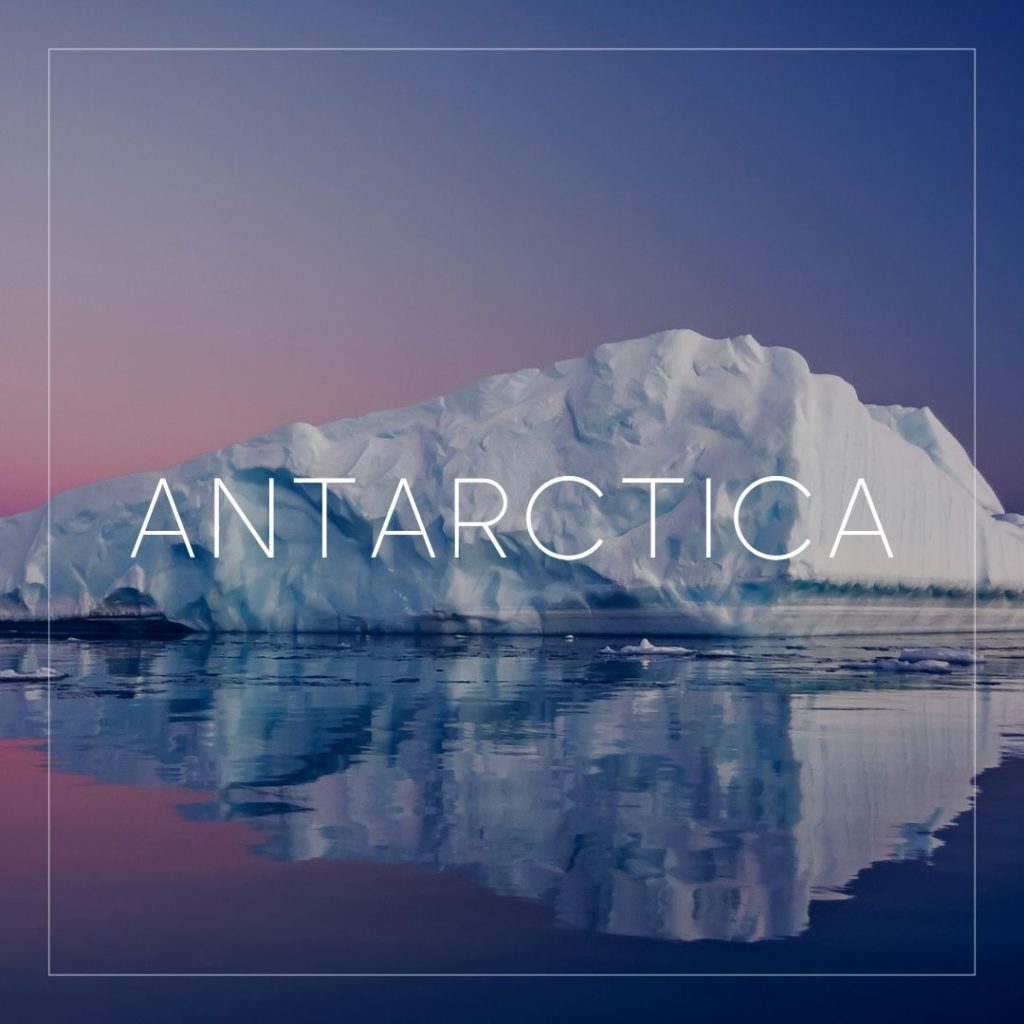
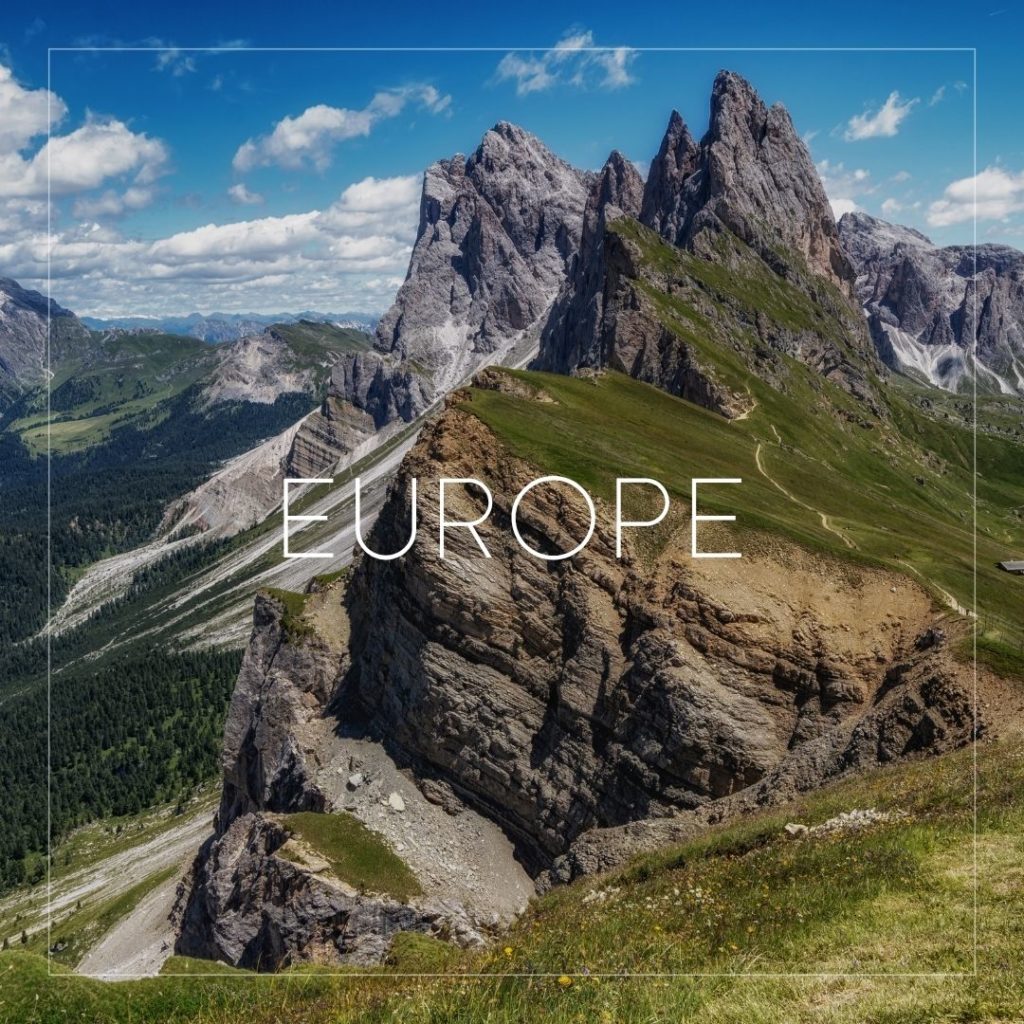
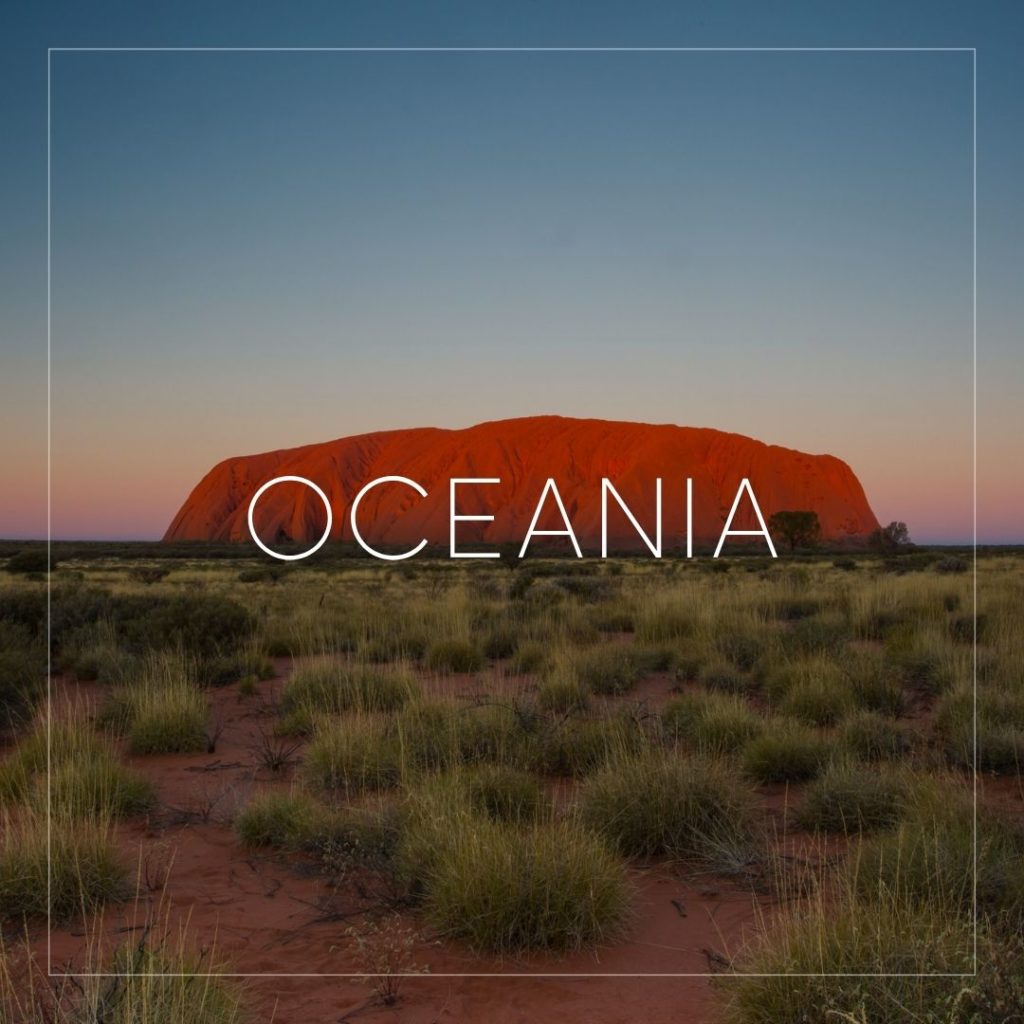
Africa, America, Asia, Europe, Oceania, Antarctica

Oceans

Pacific, Atlantic, Indian, Arctic, Antarctic
Atmosphere and climate

  • Layers: troposphere, stratosphere, mesosphere, thermosphere

  • Phenomena: winds, rain, storms, atmospheric currents
    Greenhouse effect and the role of climate in life


Hydrosphere

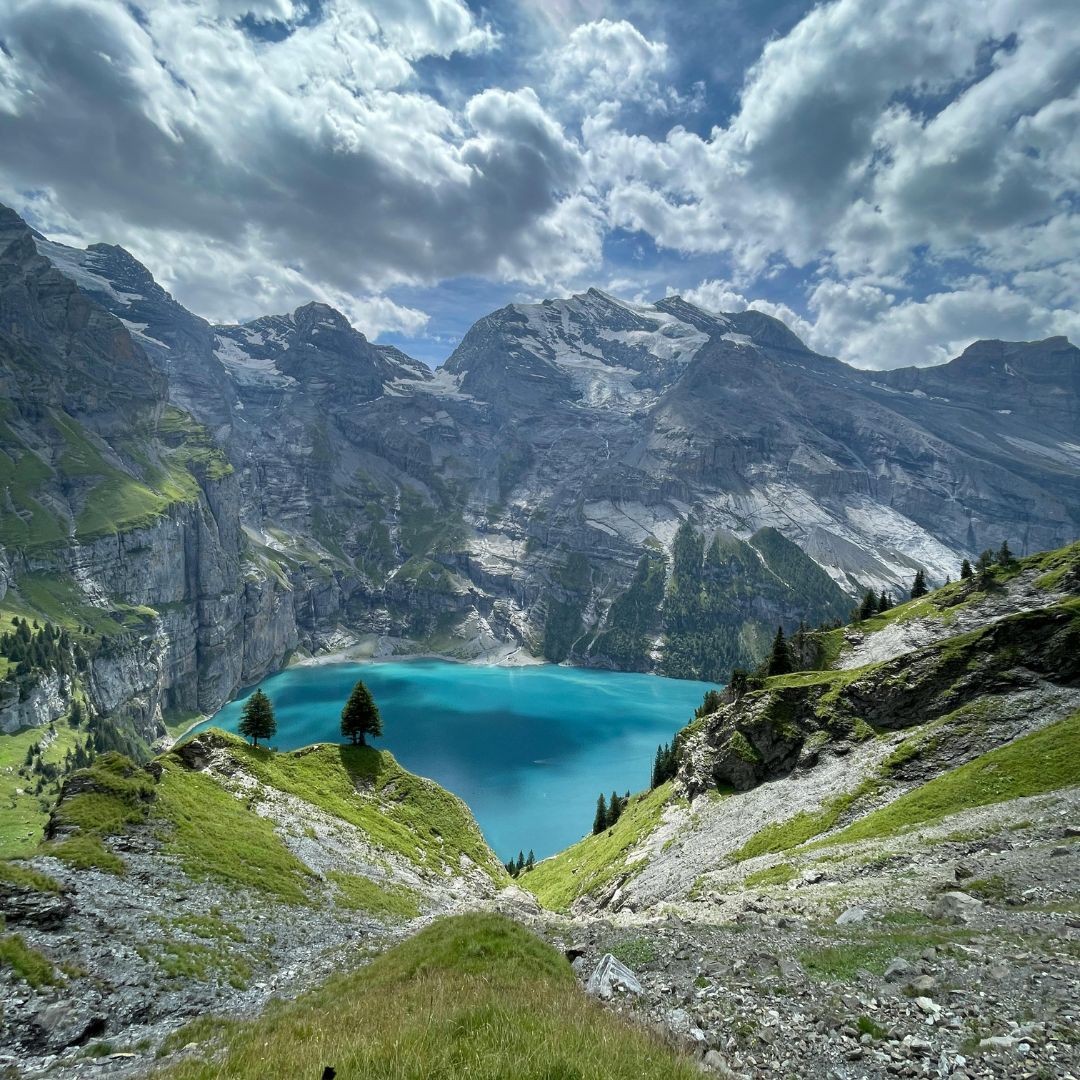
  • Freshwater: rivers, lakes, glaciers, groundwater

  • Saltwater: oceans, seas, coastal areas

  • Water cycle: evaporation, condensation, precipitation, infiltration

Rivers

Lakes

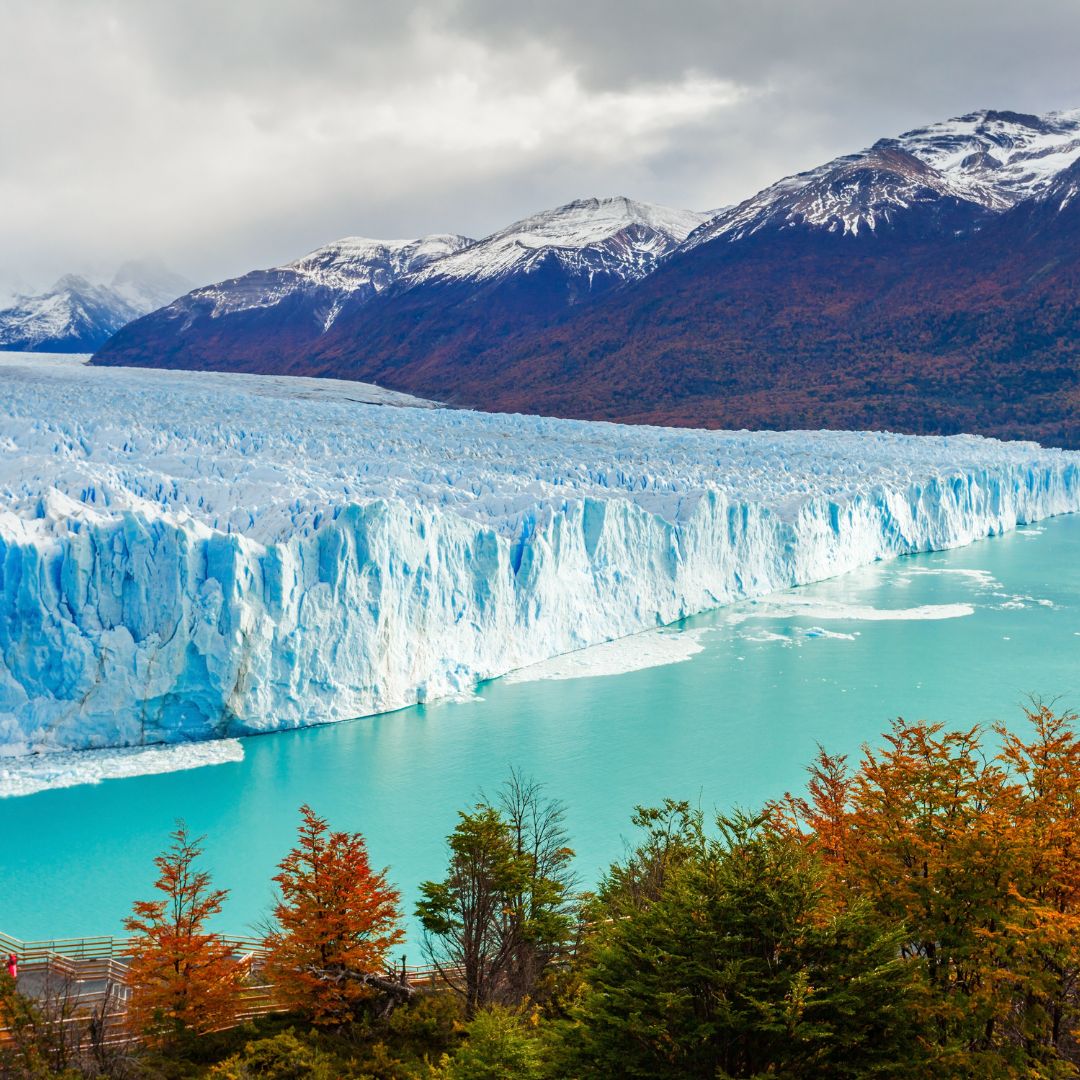
Glaciers

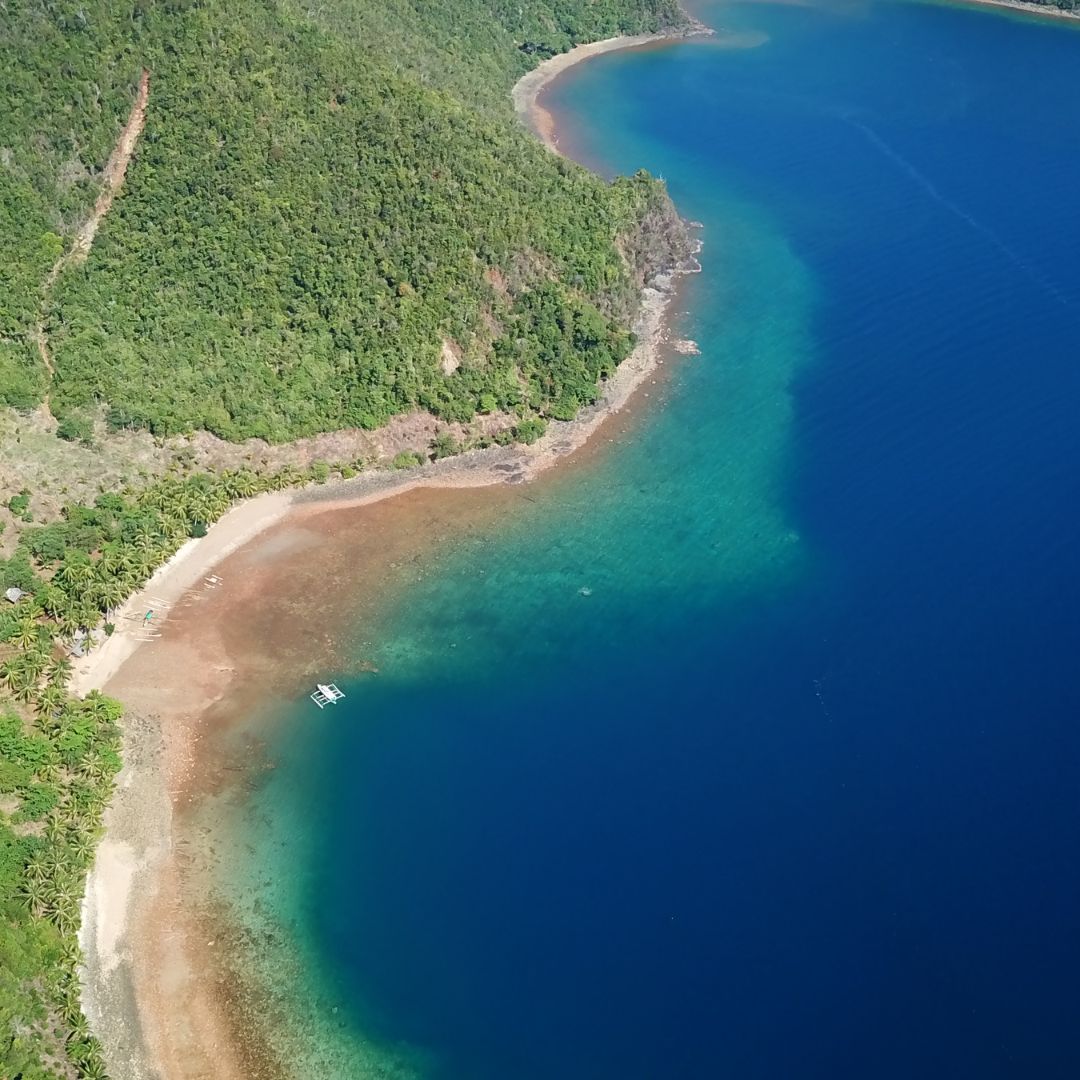
Oceans and seas

Coastal areas

Human interactions with the Earth

  • Urbanisation, agriculture, exploitation of natural resources
  • Pollution, climate change, deforestation
  • Conservation and protection of the environment

The terrestrial biomes

Tundra

Arctic, northern Siberia

Climate: Subarctic and polar. Very cold, permafrost (soil characteristic of the tundra) -> soils that only thaw on the surface. Long winters. Temperatures between 0 and 10°C.

Dominant vegetation: Mosses, lichens, herbaceous plants (grasses, mosses), liverworts.

Typical fauna: Polar bears, Arctic foxes and Arctic hares.

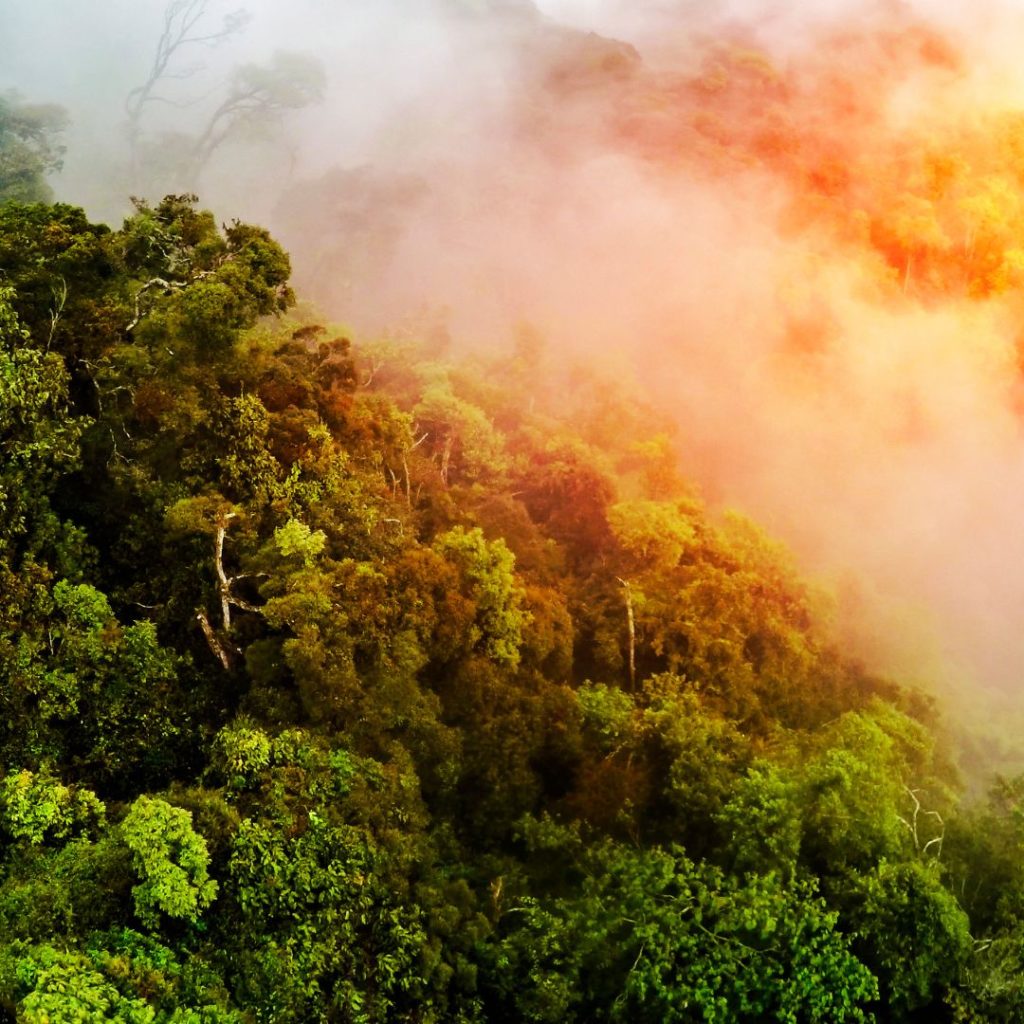
TROPICAL FOREST

Amazonia, Congo Basin, Southeast Asia (Indonesia, Malaysia, Papua New Guinea)

Climate: Equatorial climate characterised by two seasons: wet and dry. Constant temperature between 25°C and 30°C.

Dominant vegetation: Very dense and tall (30 to 60 m), evergreen and semi-deciduous trees. Dense forests with closed canopy. Epiphytes (orchids, ferns, etc.)

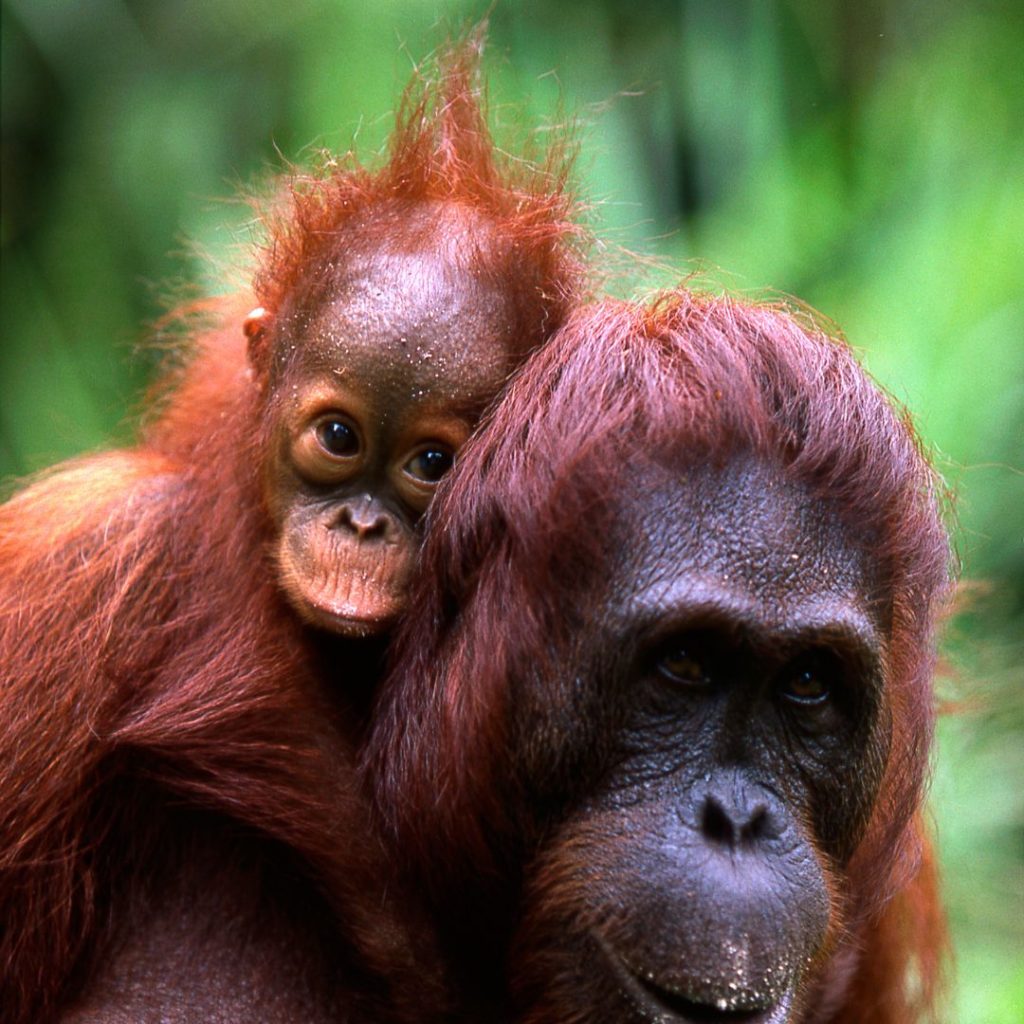
Typical fauna: Great apes, big cats, sloths, amphibians (tropical frogs), reptiles (snakes, lizards, etc.), birds (toucans, parrots, etc.)

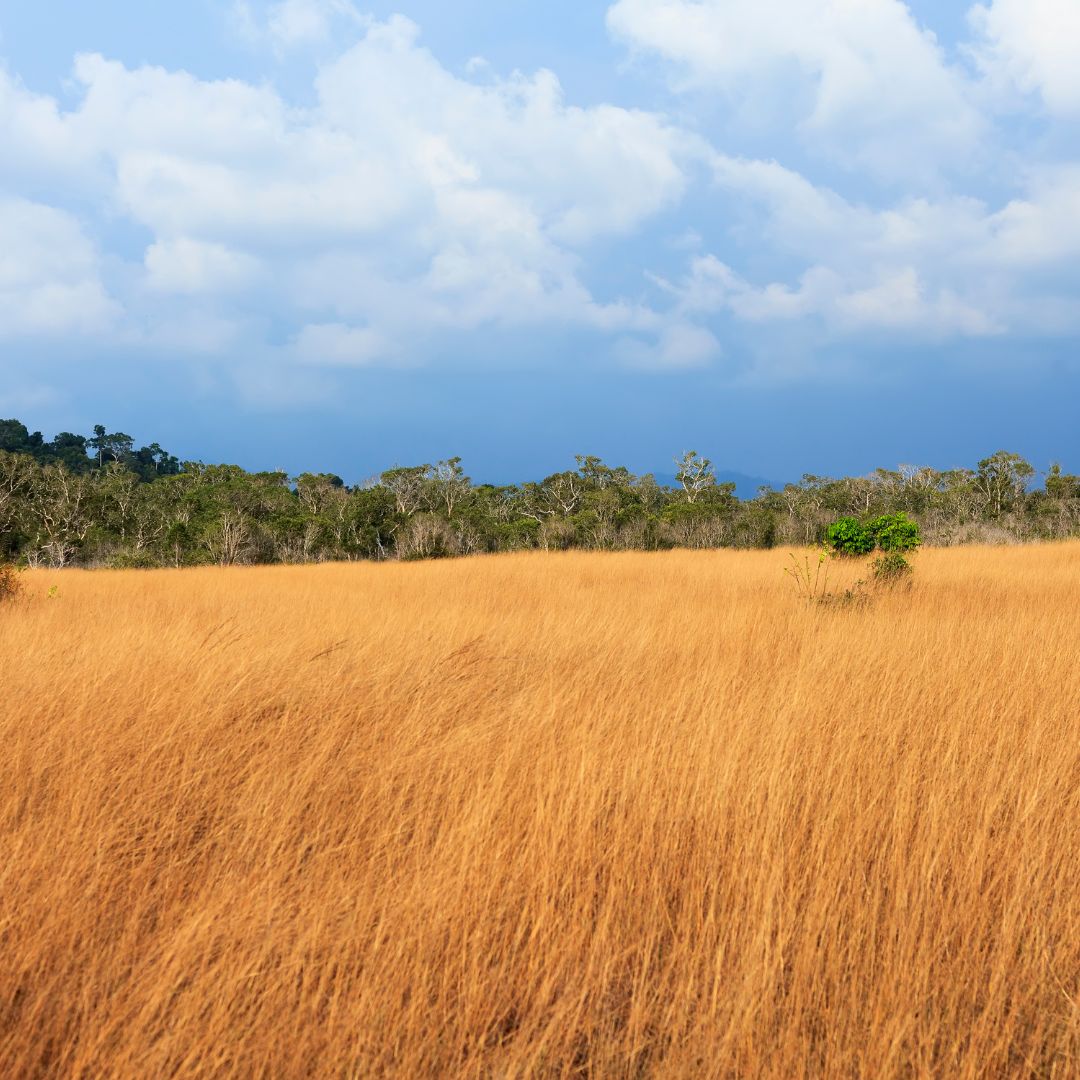
The savannah

Sub-Saharan Africa, South America, Australia (northern part of the country)

Climate: Dry season and rainy season. High temperatures throughout the year, grasses, trees, shrubs.

Dominant vegetation: Acacias, baobabs, eucalyptus. Tall grasses (up to 2 metres), adaptations to drought (deep roots, thick fire-resistant bark, etc.).

Typical fauna: Large herbivores (zebras, antelopes, giraffes, elephants, etc.), carnivores (lions, cheetahs, hyenas, etc.), birds (ostriches, vultures, etc.)

Desert

Sahara, Atacama, Gobi, Patagonia

Climate: Very arid, hot during the day, cold at night, very low rainfall. Dry air, strong winds.

Dominant vegetation: Succulents such as cacti, deep-rooted plants (acacias). Poor, dry soil, little organic matter, severe wind erosion.

Typical fauna: mammals (camels, fennec foxes, etc.), reptiles (snakes, lizards), birds (vultures, eagles), insects.

Taiga (boreal forest)

Arctic, northern Siberia

Climate: Long, cold, snowy winters and short summers. Average annual temperatures below 0°C.

Dominant vegetation: Conifers (fir, spruce, pine, larch); deciduous trees (birch, willow, poplar)

Typical fauna: Bears, moose, lynx, wolves, beavers, caribou.

Temperate grasslands or pampas, steppes

Australia, North America, South America, Eurasia
Climate: Hot summers, long cold winters, light to moderate rainfall. Temperatures range from -40°C in winter to +38°C in summer

Dominant vegetation: Annual herbaceous plants -> poaceae (= grasses), flowering plants (angiosperms)

Fertile soils used for agriculture

Typical fauna: Bison, wolves, rodents, antelopes, deer, grasshoppers, butterflies, etc.

Climate: Moderate rainfall, mild and wet winters, fairly warm summers. Temperatures between 10°C and 20°C.

Two distinct climate-related biomes:

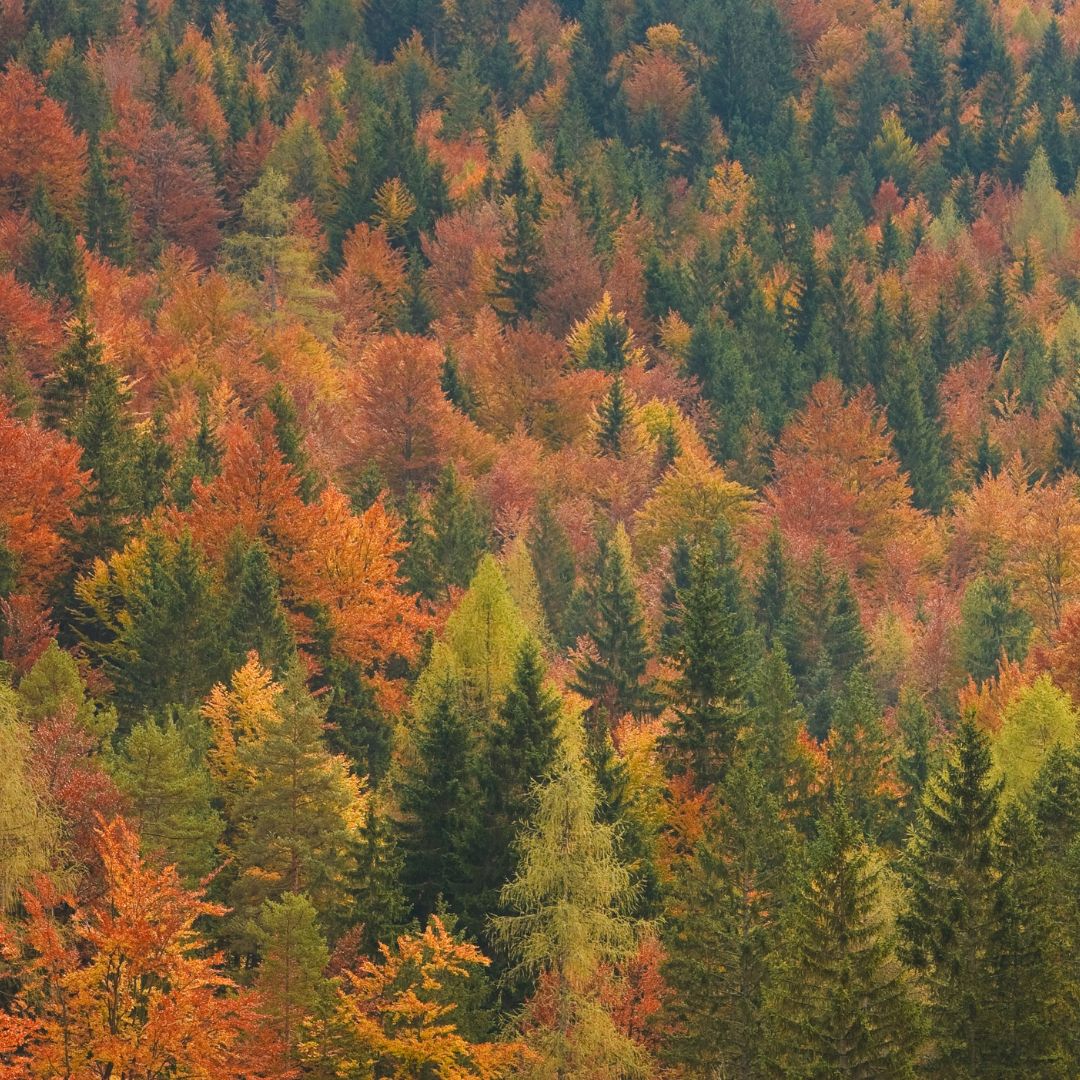
Temperate evergreen forests -> coniferous forests

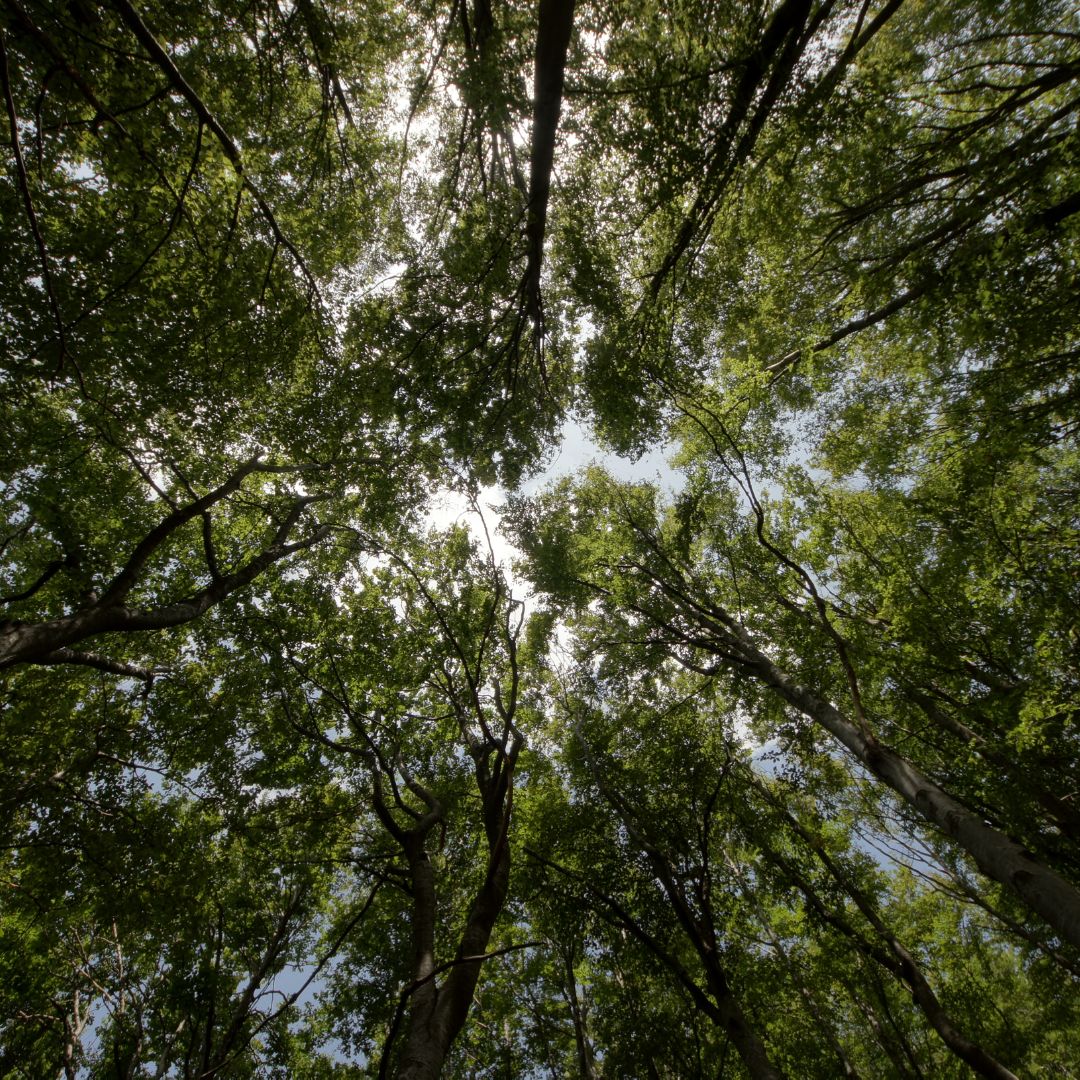
Temperate deciduous forests

Dominant vegetation: Deciduous trees (oak, beech, poplar, maple), sometimes conifers

Typical fauna: Deer, squirrels, foxes, chamois, roe deer, etc.

The temperate forest or mixed forest

Europe, Eastern United States, East Asia
Freshwater biomes

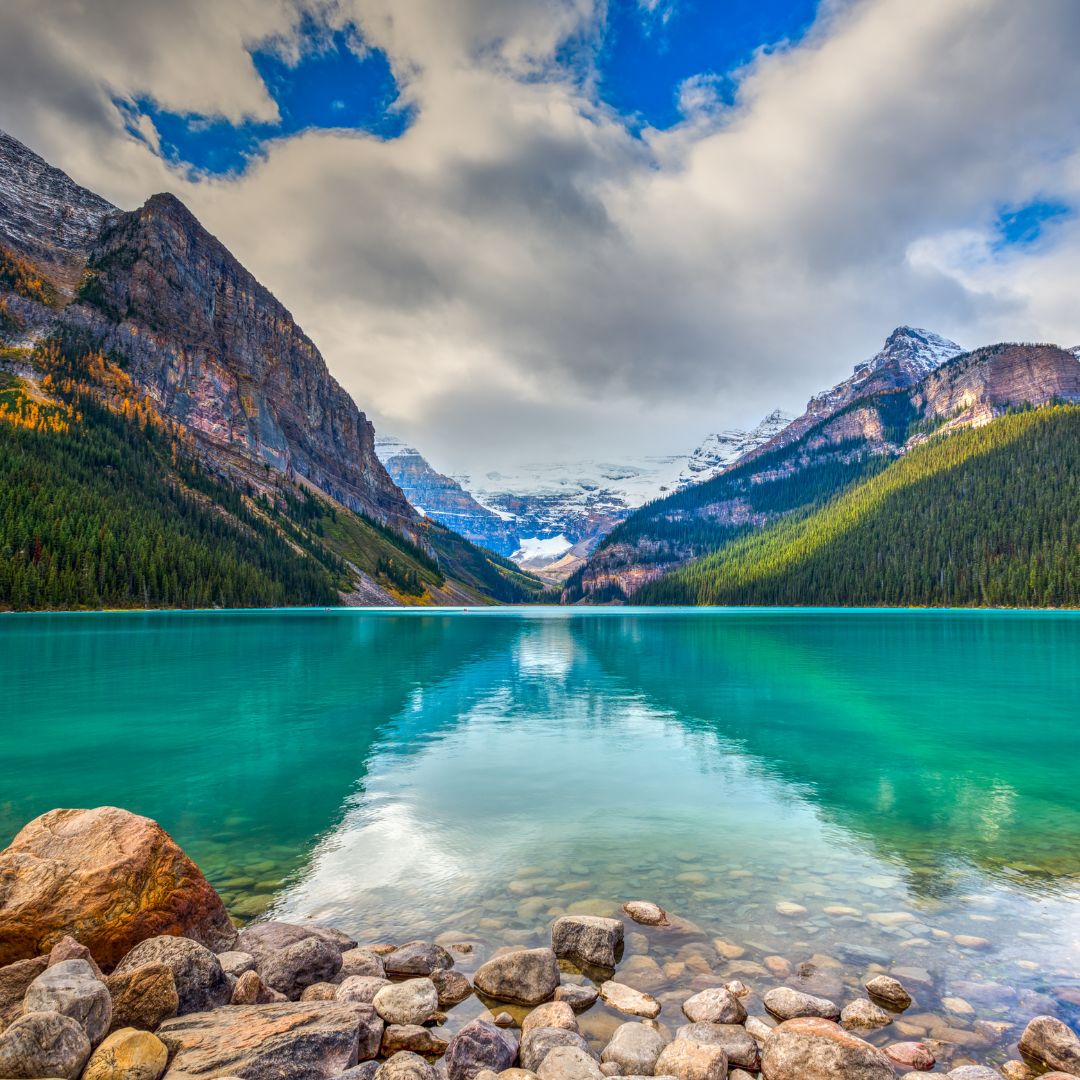
Lakes

Lake Baikal, Lake Geneva, Lake Chicago
Main characteristics: Stagnant water surrounded by land, stagnant water or water that renews itself slowly
Typical fauna: Pike, trout, dragonflies, frogs, ducks, swans, herons, insect larvae, etc.
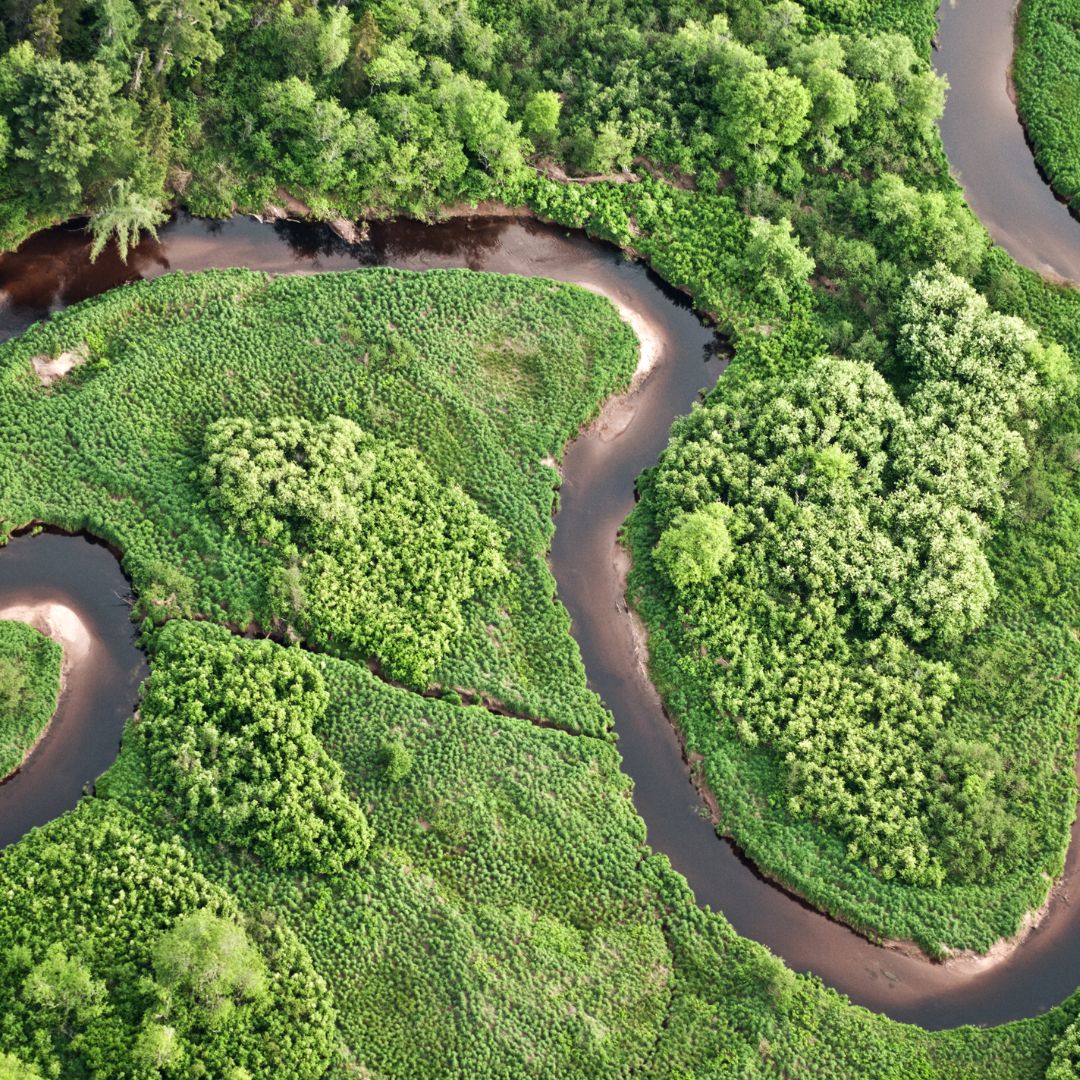
Rivers

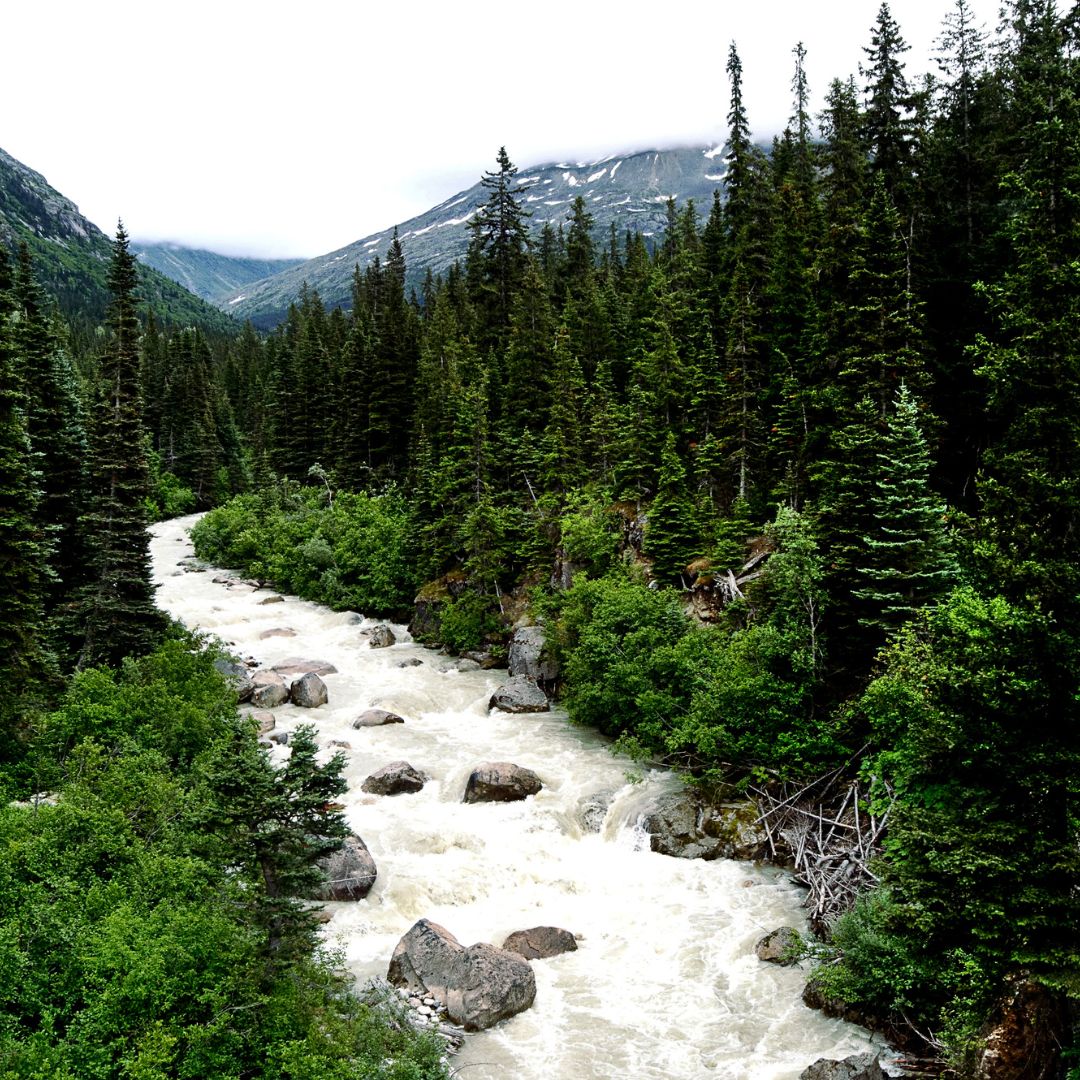
Amazon, Mississippi, Loire, St. Lawrence River
Main characteristics: Running water, rich in oxygen, temperature varies with altitude
Typical fauna: Salmon, otters, crayfish, frogs, salamanders, beavers, aquatic insects, molluscs, etc.
Deltas

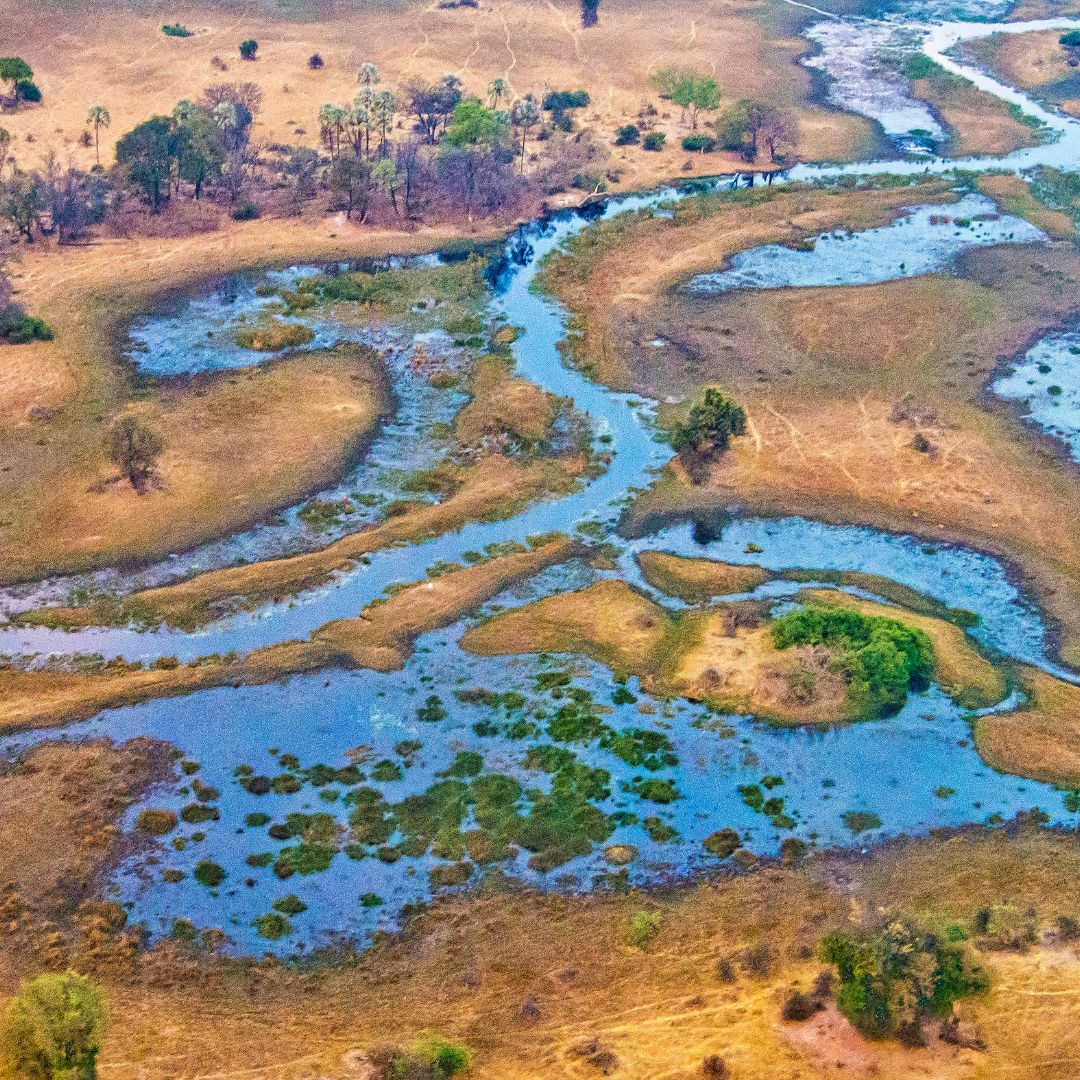
Nile, Danube and Mekong deltas
Main characteristics: Fan-shaped sedimentary deposits at the mouth of a river, fertile soil
Typical fauna: Fish, amphibians, water birds, migratory birds, crabs, shrimps, aquatic insects, etc.
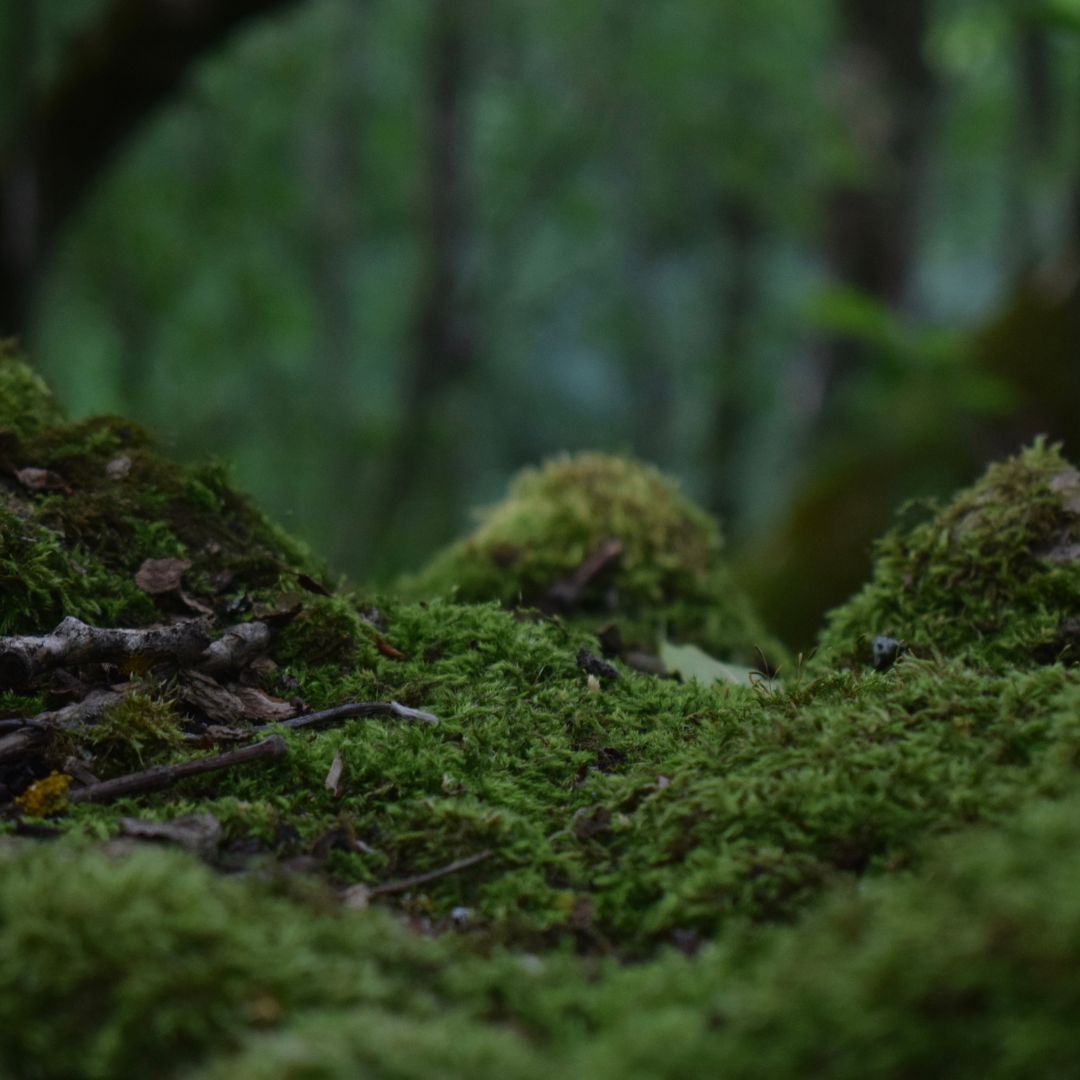
Damp earth

Camargue, Everglades, Canadian peat bogs
Main characteristics: Soils permanently or temporarily saturated with fresh water. Abundant vegetation.
Typical fauna: Frogs, newts, ducks, herons, storks, beavers, otters, etc.
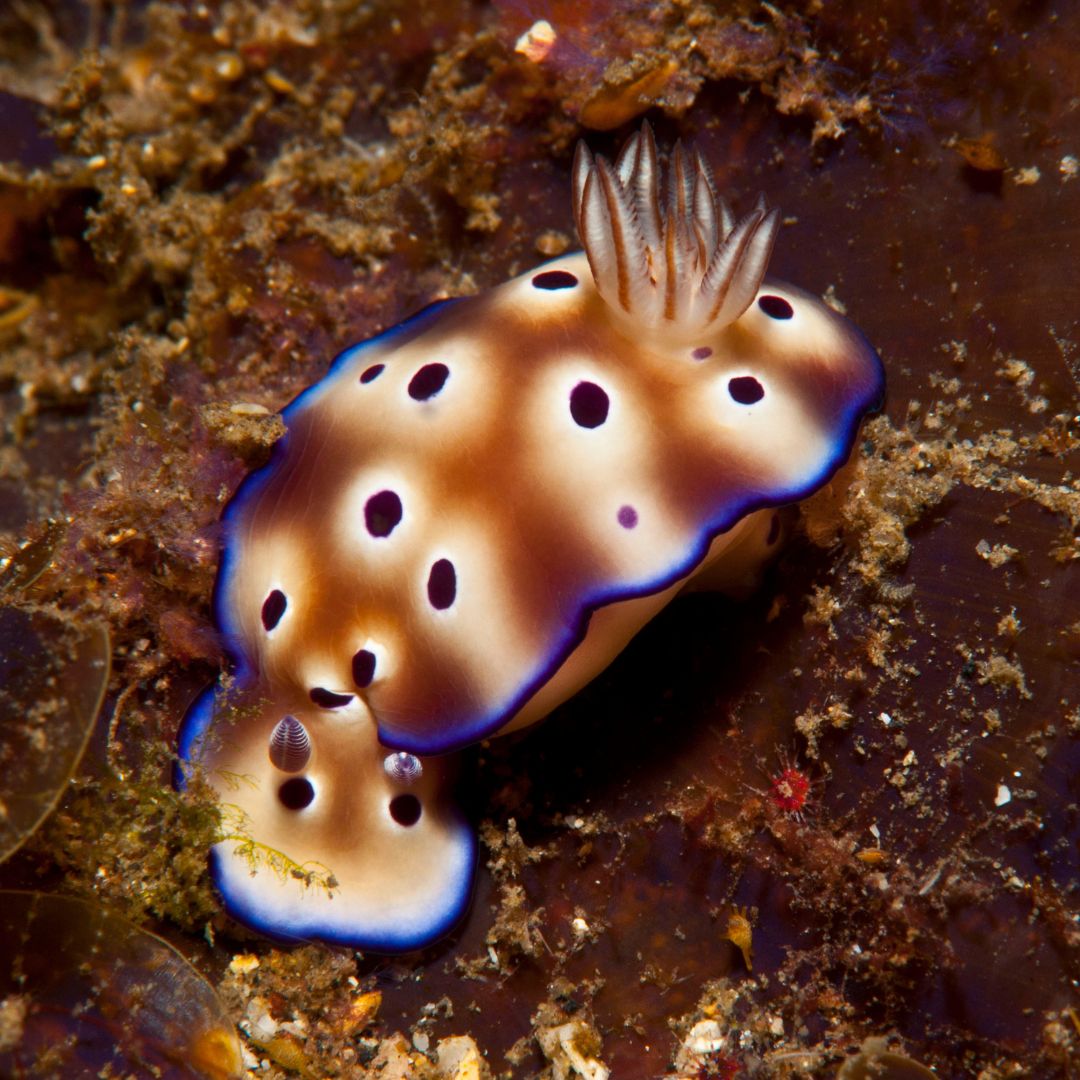
Saltwater biomes

Benthic zone

Main characteristics: Ocean floor, often very deep and dark
Typical fauna: Tube worms, crustaceans, bacteria
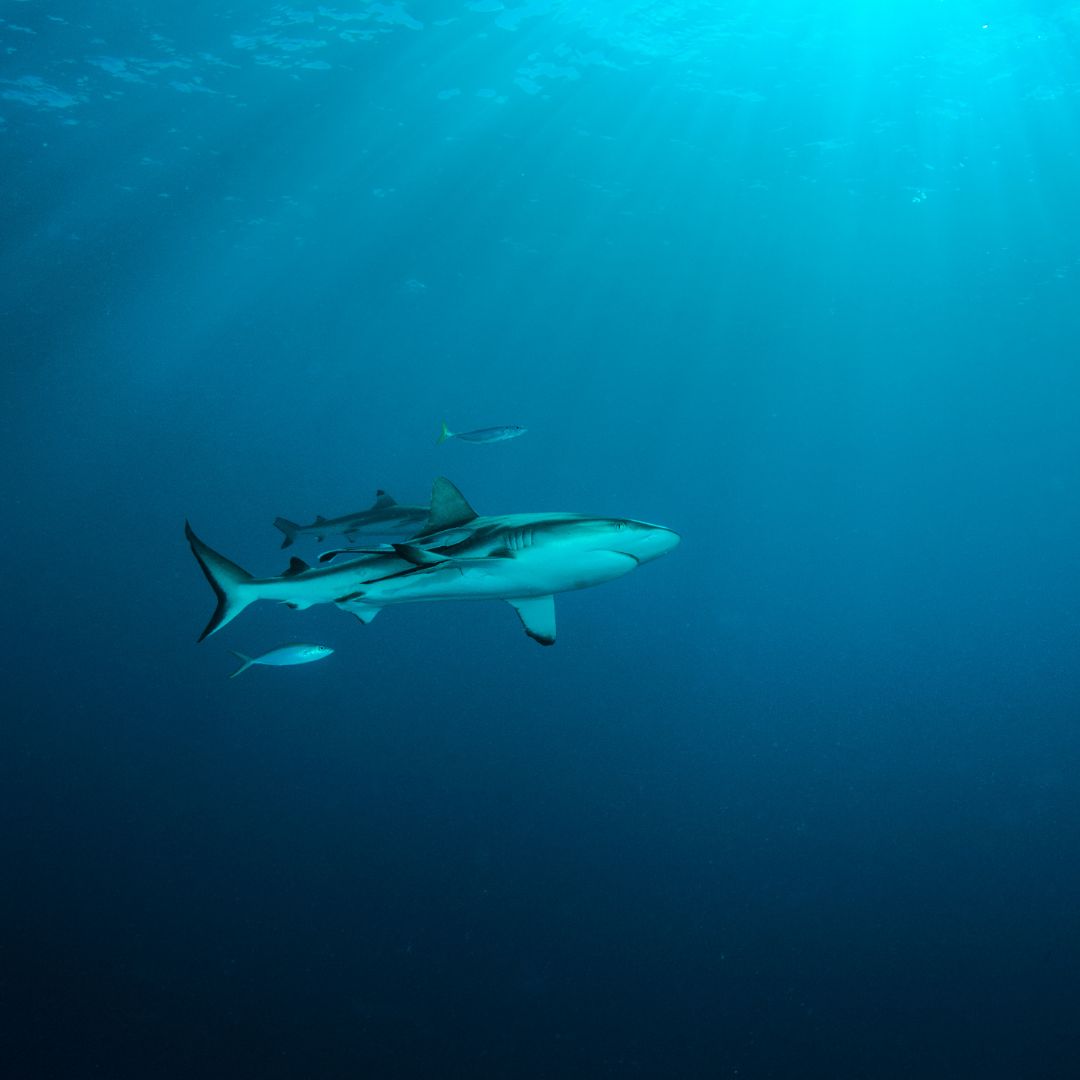
Pelagic ocean

Main characteristics: Open water in the open sea, few surface nutrients
Typical fauna: Whales, tuna, plankton, jellyfish
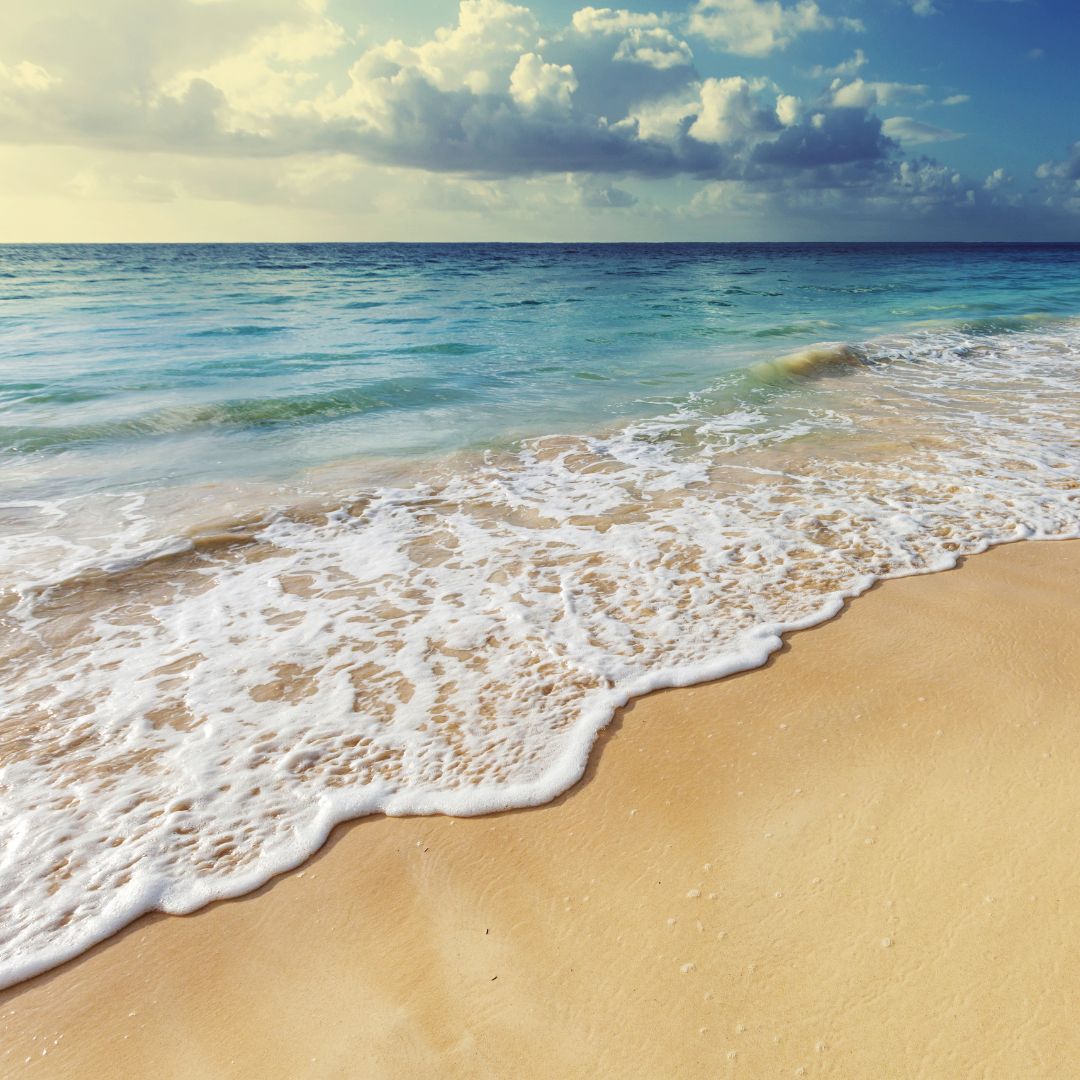
Costal zones

Main characteristics: Land/sea interface, often rich in nutrients

Typical fauna: Crabs, juvenile fish, seabirds
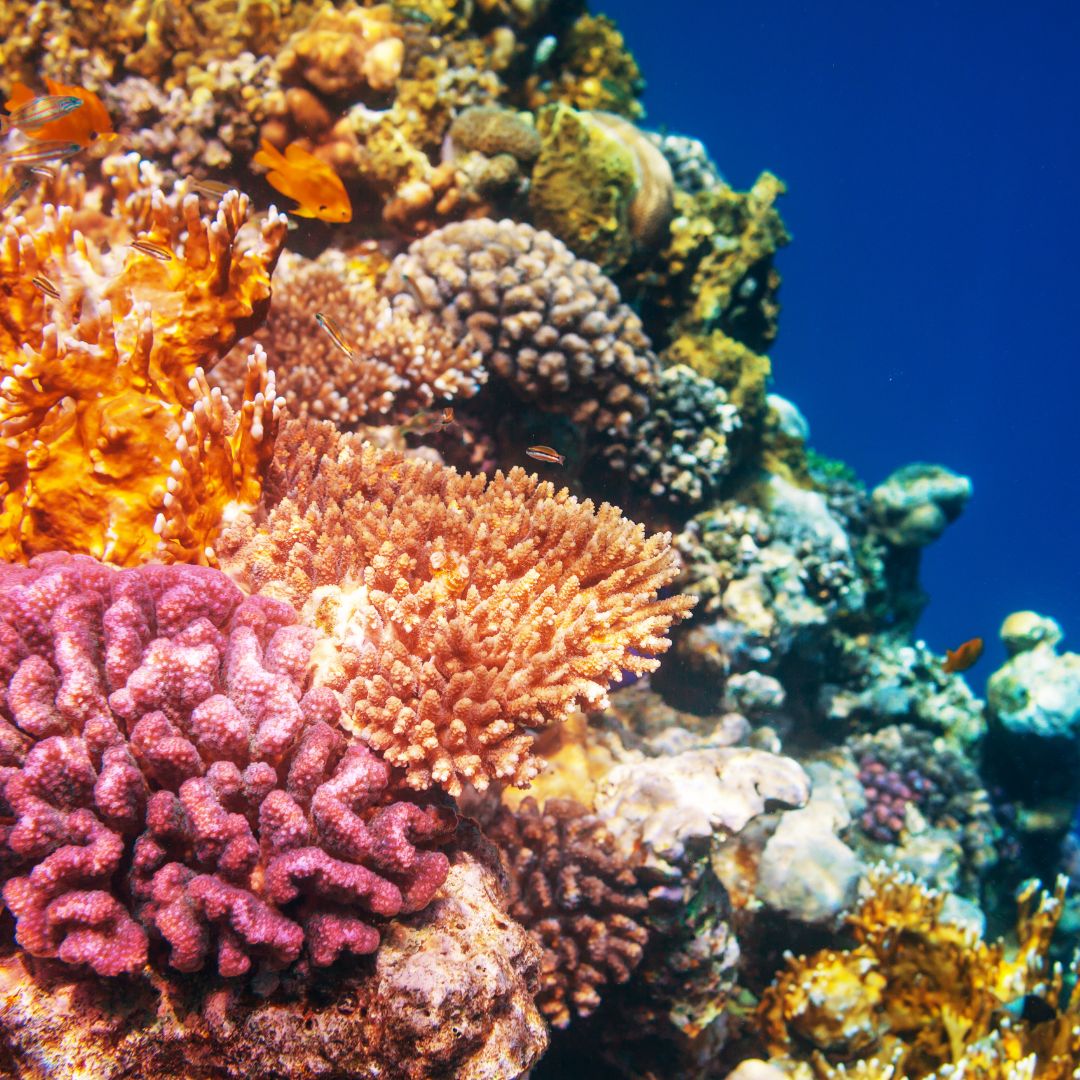
Coral reefs

Main characteristics: Shallow tropical waters, rich in biodiversity

Typical fauna: Corals, tropical fish, sea turtles
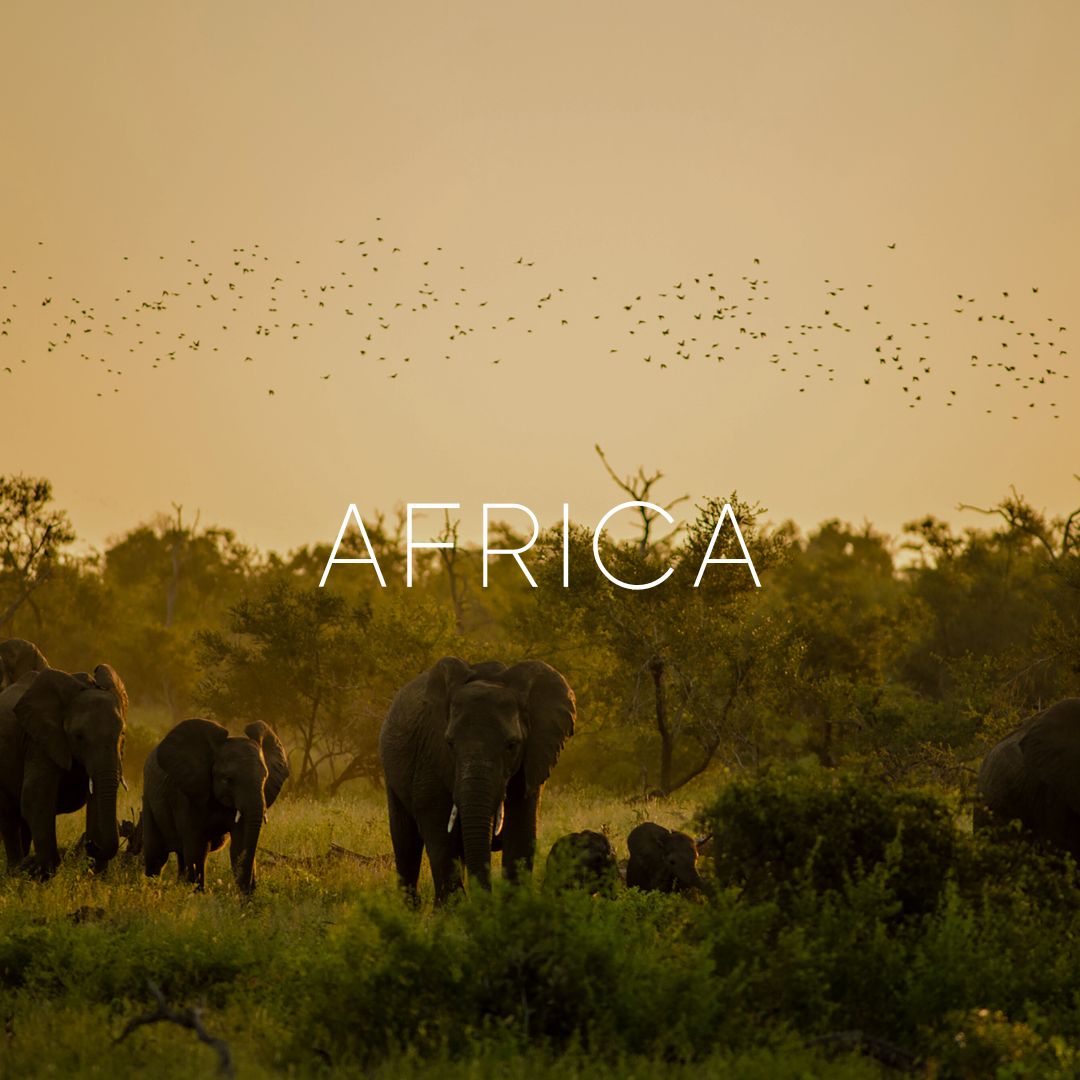
Continents and their major ecosystems

Savannahs (Serengeti, Kruger)

Tropical forests (Congo Basin)

Deserts (Sahara, Namib)

Wetlands (Okavango Delta, Nile)

Tropical and equatorial forests (Indonesia, Malaysia)

Himalayan mountains

Coral reefs (Coral Triangle)

Steppes (Mongolia, Kazakhstan)

Siberian taiga and tundra

Great Barrier Reef

Rainforests (Papua, northern Australia)

Australian deserts

Island ecosystems

Amazon rainforest

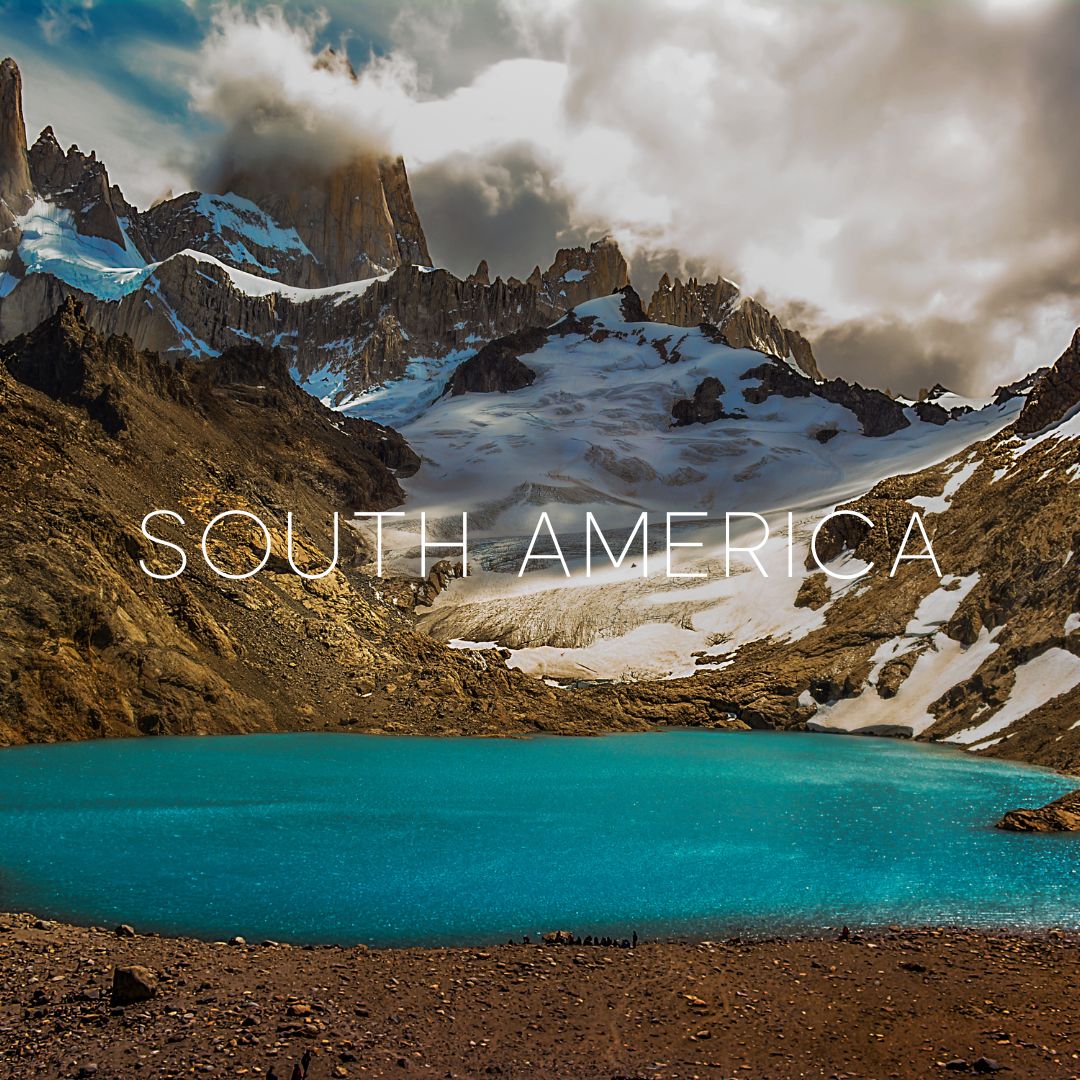
Andes

Pantanal

Cerrado and Caatinga

Peaceful coastal zones

Temperate forests (Canada, USA)

Great Plains

Rocky Mountains

Wetlands (Everglades, bayous)

Deserts (Sonora, Mojave)

Boreal and temperate forests

Alps and Carpathians

Wetlands (Camargue, Baltic lagoons)

Semi-natural agricultural areas

The problems faced by the Earth

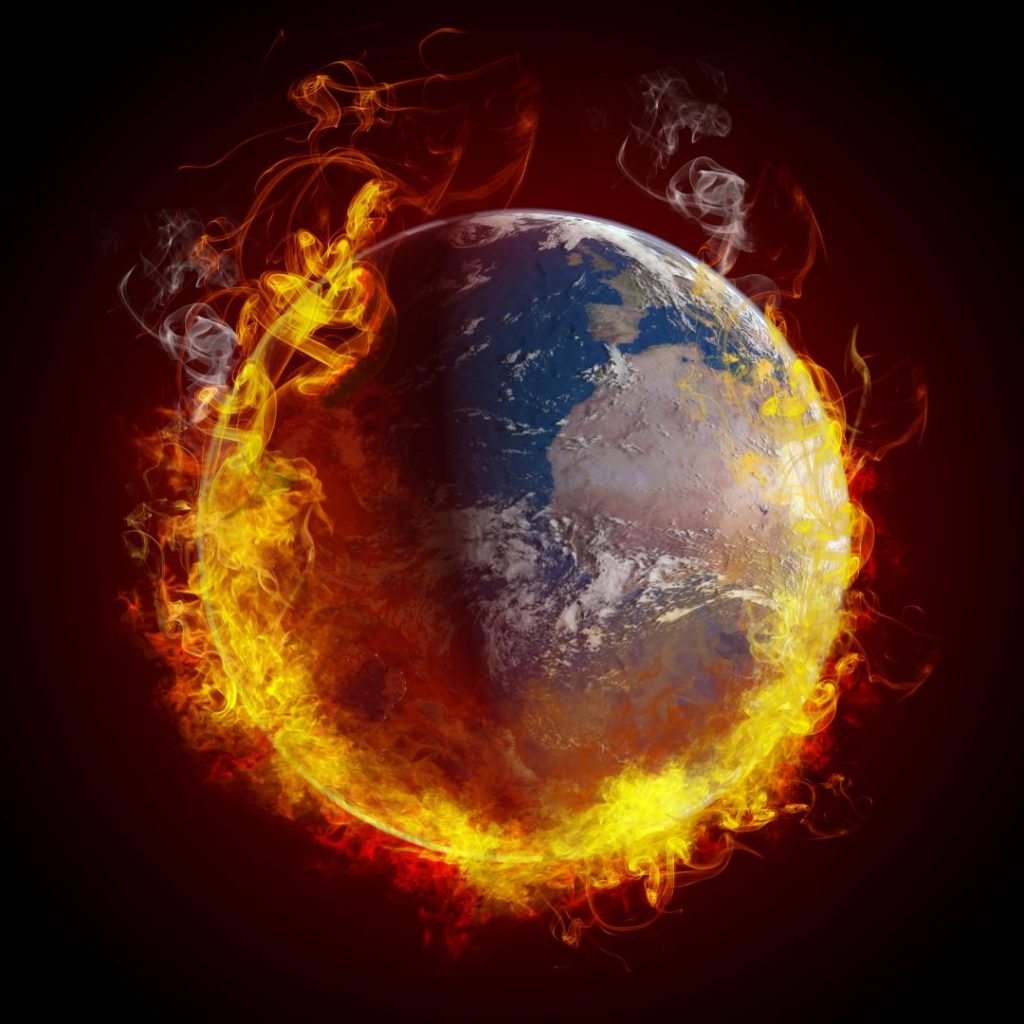
Climate change

Main cause:

increase in greenhouse gases (CO₂, methane) due to human activities (industry, transport, deforestation).

Consequences:

  • ❌ Global warming (+1.1°C since the pre-industrial era).
  • ❌  Accelerated melting of glaciers and polar ice caps.
  • ❌ Rising sea levels.
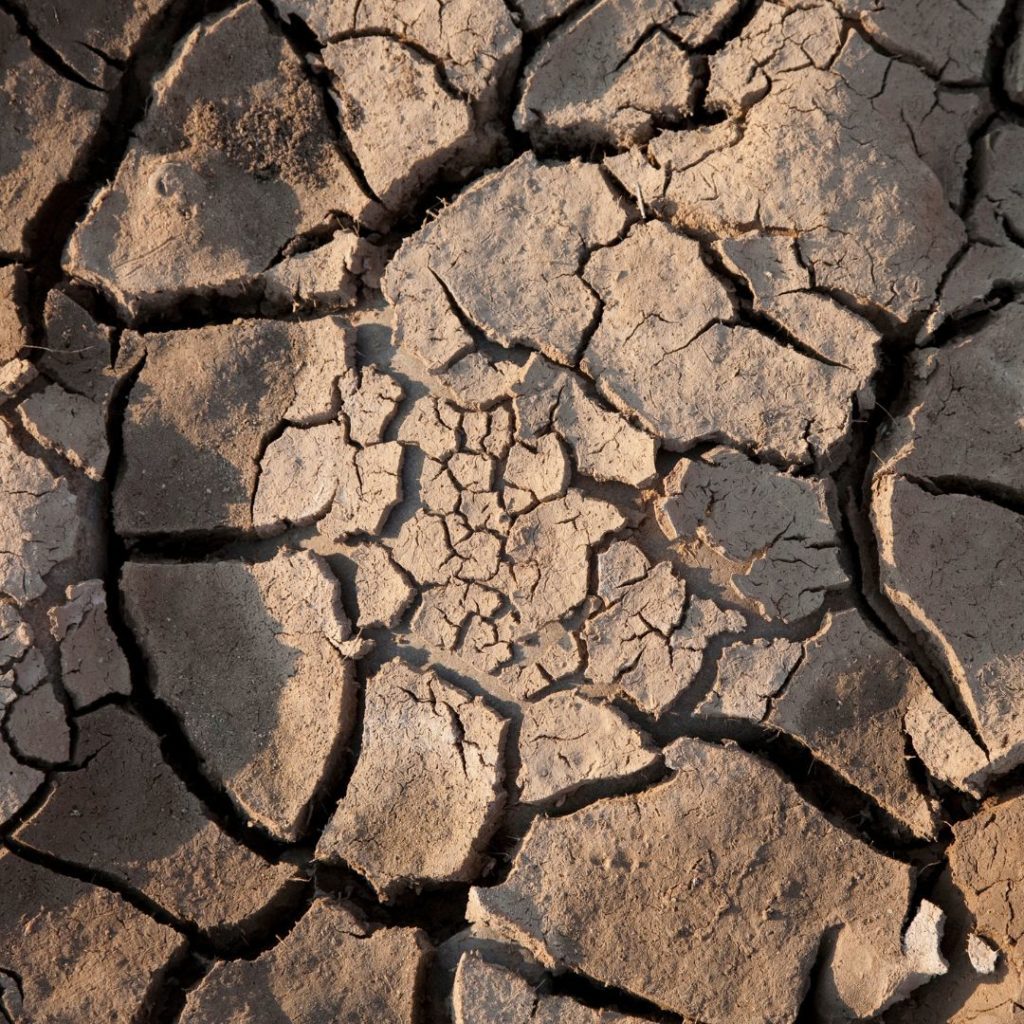
  • ❌ Extreme weather events (hurricanes, droughts, floods).
  • ❌ Disruption of ecosystems and loss of biodiversity.

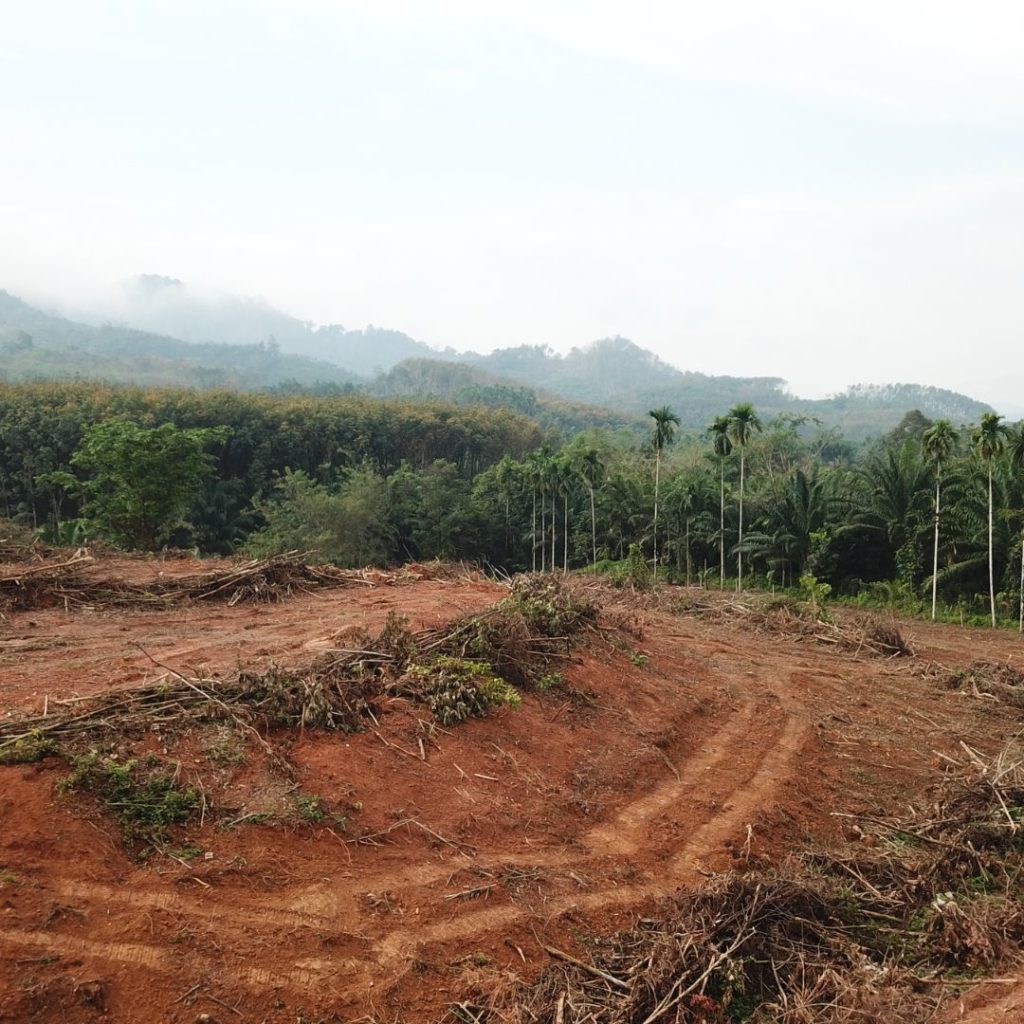
Deforestation

Main cause:

Massive destruction of tropical and boreal forests and other wooded biomes.

‼️ Causes: intensive agriculture, logging, urbanisation.

‼️ Effects: reduction in the Earth’s capacity to store carbon, soil erosion, loss of habitats for many species.

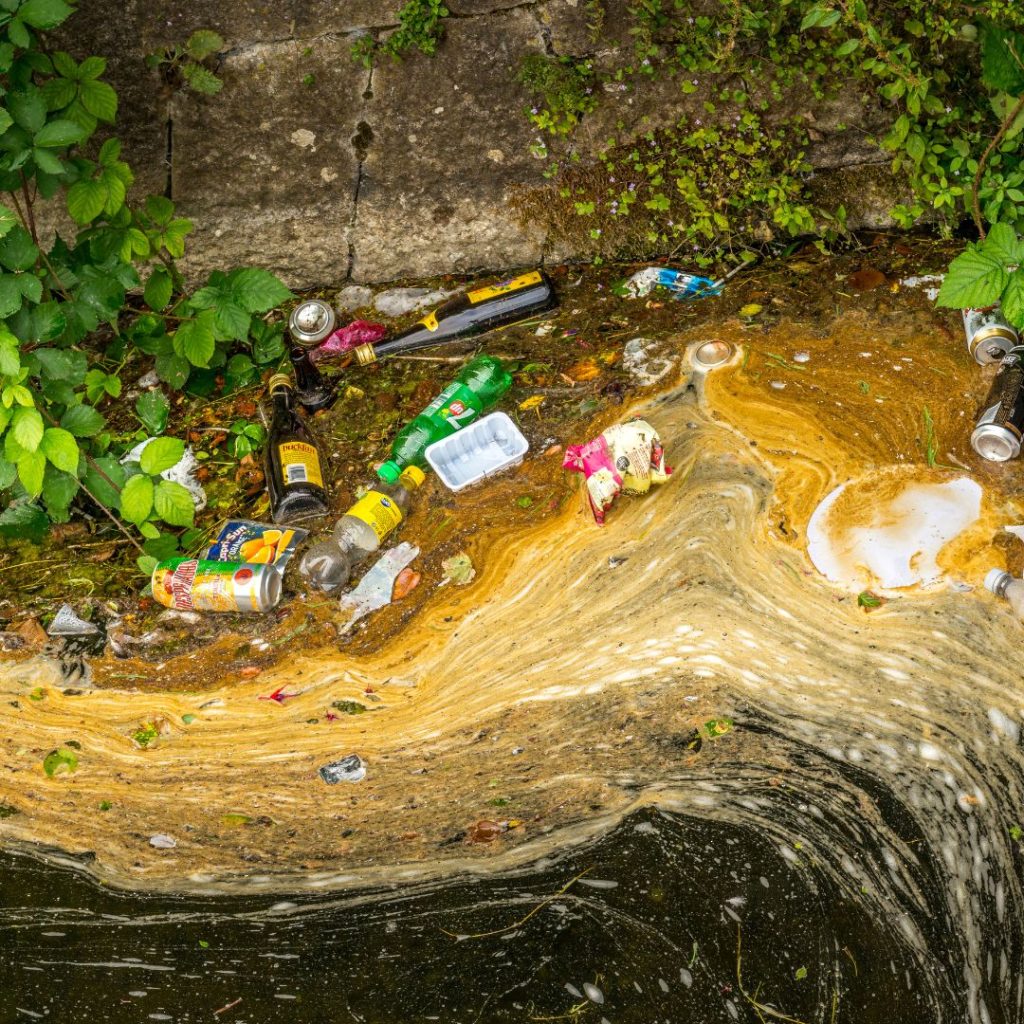
Pollution

  • ❌ Air, water and soil pollution.
  • ❌ Contamination by plastics, pesticides, heavy metals.
  • ❌ Impact on human health and wildlife.

Loss of biodiversity

  • ❌ Rapid extinction of animal and plant species.
  • ❌ Imbalances in food chains.
  • ❌ Risk of ecosystem collapse.

Geological hazards

  • ❌ Earthquakes: can cause destruction and loss of life, especially in densely populated areas.
  • ❌ Volcanic eruptions: can cause major local damage and temporary climatic disruption.
  • ❌ Landslides and tsunamis: often dramatic consequences in coastal and mountainous areas.

Depletion of natural resources

  • ❌ Overexploitation of soil, groundwater and minerals.
  • ❌ Risk of shortages in the medium/long term, impact on the global economy and society.

Ocean acidification

  • ❌ Result of the absorption of CO₂ by the oceans.
  • ❌Impact on corals, shellfish and the marine food chain.

Habitat fragmentation

  • ❌ Construction of infrastructure (roads, towns).
  • ❌ Isolation of animal populations, reduced genetic exchange.

All illustrative photos on this page come from ©Canva.com

Want to learn more about Earth?

Eco responsible platform

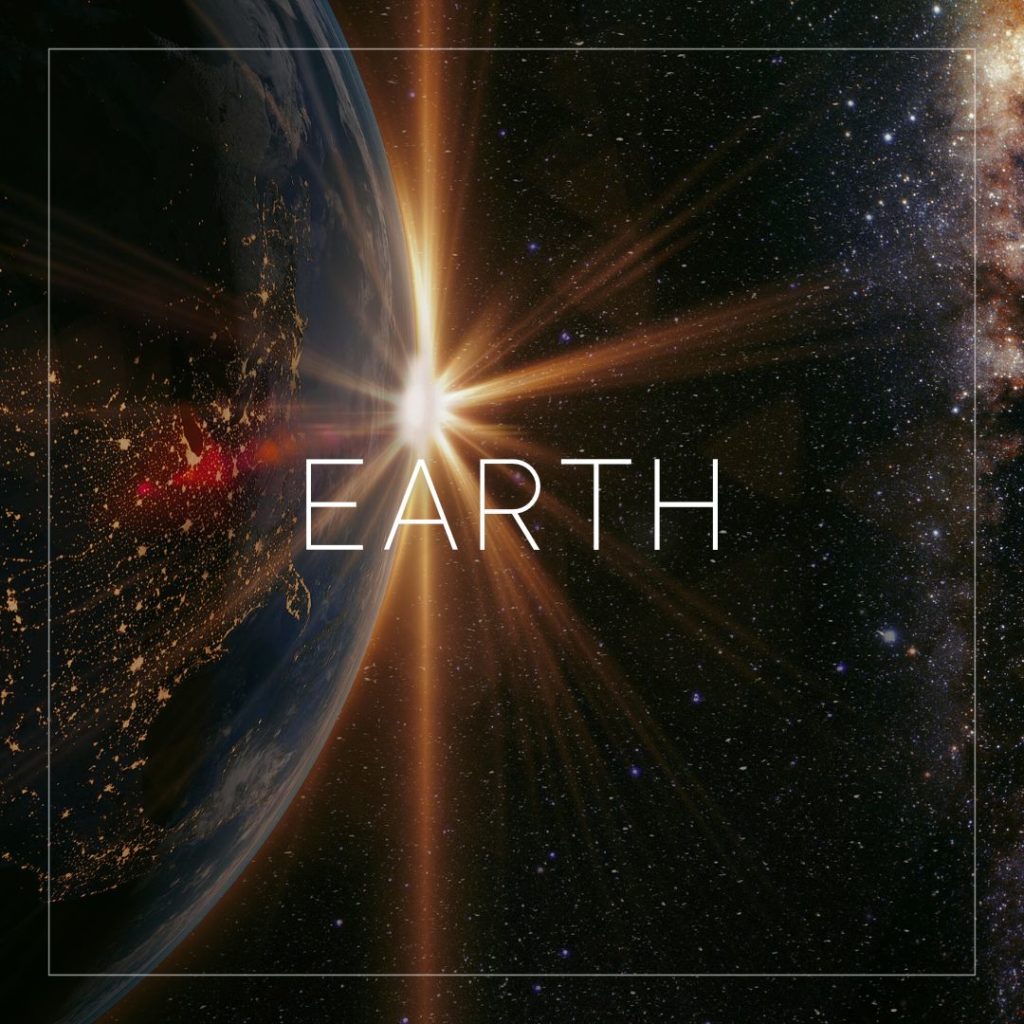
Visit our eco-platform and explore what we have to offer to learn more about planet Earth.
About us - Logo contact

Newsletter

Stay in touch with us by subscribing to our newsletter
Discovering the Earth and its continents

Get in touch and visit our media

error: Content is protected !!